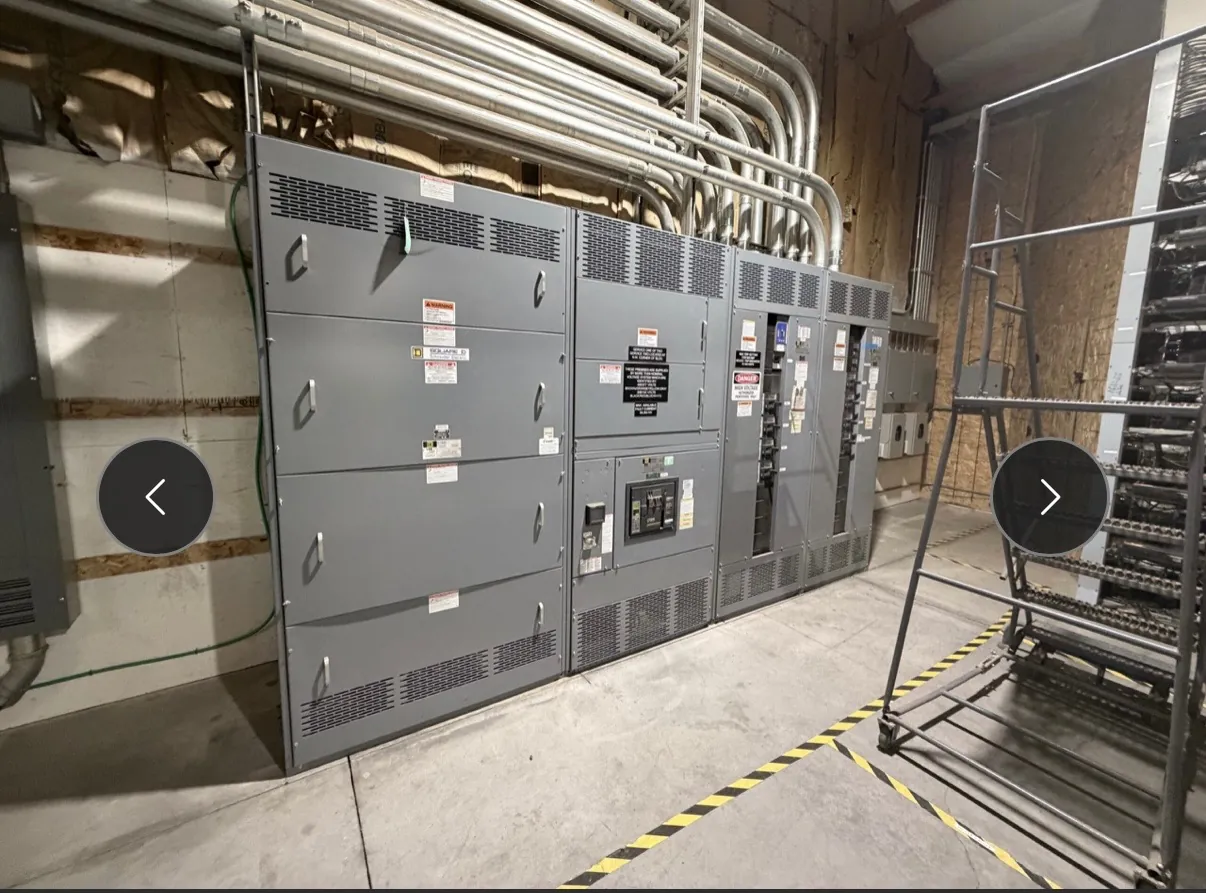
Pad-Mounted Switchgear for Fernley, NV Projects
Pad-mounted switchgear can provide outdoor switching and feeder connections for a Fernley facility when the electrical distribution design calls for equipment at ground level. Its enclosure, internal arrangement and interfaces need to match the project’s source, load, operating plan and site conditions. A unit selected by voltage alone may not address available fault current, feeder configuration, environmental exposure or utility requirements. We manufacture new custom power-distribution equipment in the United States using all-American components and ship nationwide, including to Nevada. The finished design and applicable ratings must be confirmed for the specific project.
Enclosure Placement, Foundation and Site Conditions
Location affects both the physical design and how the equipment can be accessed and connected. The project team should identify the proposed pad location, surrounding structures, vehicle routes, property constraints and expected maintenance access. Clearances and access requirements depend on the equipment arrangement, applicable codes and the authority having jurisdiction; they should be established with the qualified electrical engineer and site team rather than assumed from a general product description.
The foundation must support the equipment and suit its dimensions, weight, anchorage and cable-entry arrangement. Concrete details, conduit positions and finished grade should be coordinated before construction. Site review should also account for drainage, potential standing water, dust, temperature exposure, sun and other environmental conditions relevant to Fernley’s installation. Enclosure selection can help address exposure, but it does not replace appropriate site design or confirmation of the equipment’s environmental suitability.
Cable Entry and Feeder Arrangement
Conduit entry and cable routing influence the pad layout, compartment arrangement and installation sequence. Early coordination should establish whether conductors enter from below, how many circuits are involved, where conduits approach the enclosure and whether cable bending space can be accommodated. The design team should also verify conductor types and sizes, termination requirements and the available space for connections. These are project inputs for engineering, not details to resolve by selecting an enclosure from exterior dimensions alone.
Feeder count and switching arrangement depend on the distribution scheme and intended operating flexibility. If spare feeder provisions are being considered, define whether the project needs an equipped feeder, a provision for future equipment, or space and interfaces for later expansion. Those options are not interchangeable: they can affect enclosure size, bus and switching arrangements, terminations, controls and initial project cost.
Utility Interfaces and Source Reliability
For a Fernley project, confirm who owns and operates each portion of the distribution system and what interface the serving utility requires. Utility requirements may affect incoming connections, metering, switching, protective devices, grounding, access and coordination documentation. Requirements vary by provider and project. Utility acceptance, settings and connection details must be reviewed with the responsible utility and qualified project professionals; they should not be presumed from a product’s general description.
Discuss power-source reliability needs with the project engineer. A single incoming source, alternate-source arrangement or other resiliency approach can lead to different equipment configurations and operating constraints. The right choice depends on the site’s load priorities, source availability, protection design and how the facility will manage interruptions. Any transfer or interlocking functions require a coordinated design and confirmation of applicable ratings and control interfaces.
Ratings, Protection and Design Coordination
Specify the system voltage separately from equipment ratings. The design review should confirm the required voltage class, continuous current, interrupting or withstand capability, frequency, short-circuit conditions, protective-device characteristics and grounding approach as applicable to the selected equipment. A rating is not a substitute for confirming system voltage or available fault current. Project conditions, equipment configuration and applicable standards determine which ratings and listings are appropriate.
Pad-mounted switchgear is not one universal assembly, and UL 891 applies to certain low-voltage switchboards rather than to every form of switchgear. Any proposed standard, listing or certification should be tied to the actual product and verified for the project. Coordination with the one-line diagram, protection study, utility interface and site plan helps avoid mismatches between the equipment and the electrical system. Qualified engineers must review the design and site conditions.
Information for a Project-Specific Quotation — Pad-Mounted Switchgear in Fernley, NV
Useful quotation inputs include the one-line diagram, system voltage, source and feeder information, requested ratings, utility criteria, enclosure location, foundation concept, cable-entry plan and environmental conditions. Include the desired switching arrangement and any spare feeder or future-expansion requirement, distinguishing installed devices from future provisions. Identify applicable project documents and review milestones so the proposed configuration can be evaluated against the intended installation.
We manufacture new custom equipment and can review these details to develop a project-specific scope. Final ratings, listings, interfaces and dimensions require confirmation through engineering review and coordination with the utility, site team and relevant authorities. Lead time depends on the confirmed design and project requirements; delivery to Fernley is coordinated as part of the order, with nationwide shipping available.