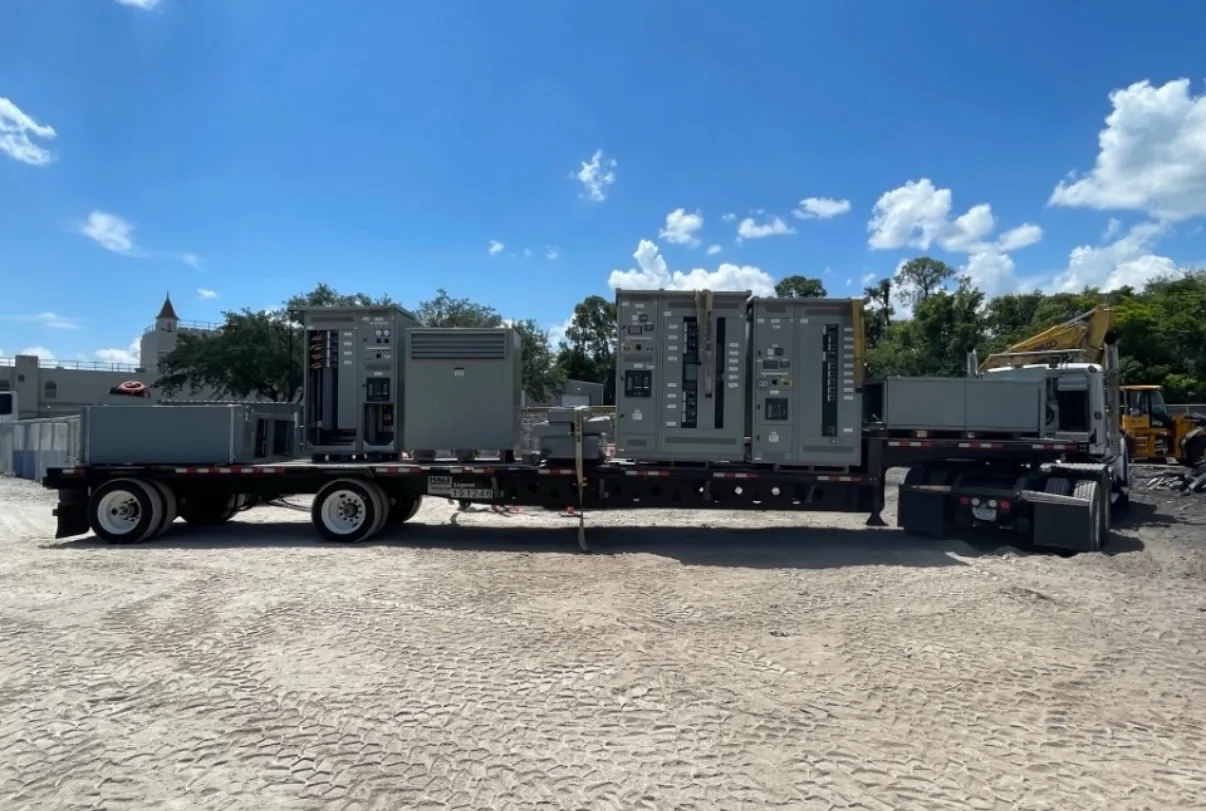
Mining Switchgear for Fernley, Nevada Projects
Mining electrical distribution must be planned around the actual loads, operating conditions, and expansion needs of the site. For a Fernley-area project, the right switchgear configuration depends on the power source and distribution arrangement, the equipment it serves, and where assemblies will be installed. We manufacture new custom switchgear and power-distribution equipment in the United States using all-American components, with nationwide shipping. A project review can establish whether a low-voltage switchboard or another assembly is appropriate and identify the information needed to develop a quotation.
Mining facilities can include process equipment, pumps, ventilation systems, workshops, offices, and supporting infrastructure, each with distinct electrical demands. A useful specification starts with the distribution one-line diagram and a clear description of the intended loads, rather than choosing an assembly based on a general “mining” label. Fernley project teams should also confirm the installation location, site conditions, and responsibilities for engineering and field integration.
Define Motor Duties and Feeder Requirements
Motor loads need particular attention because starting and operating characteristics affect feeder and distribution design. Provide motor schedules where available, including equipment identification, electrical data, starting method, duty, and the intended control interface. Pumps, conveyors, fans, crushers, and other process loads may have different operating sequences and may not be served by interchangeable feeder arrangements.
For each feeder, identify the connected load, expected operating pattern, downstream equipment, and any requirements for local or remote control. Clarify which functions belong in the switchgear and which are provided by motor-control equipment, drives, control panels, or plant automation. This division affects space, wiring interfaces, coordination, and the completeness of the proposed assembly. Any final design must be reviewed against the project’s electrical documents and operating requirements.
Coordinate Fault Protection and the Power Source
Protection cannot be selected responsibly from load descriptions alone. The available fault current, source characteristics, transformer information, upstream protective devices, and downstream equipment all matter. Project documents should identify the normal source, alternate or backup sources if applicable, and the intended transfer or interlocking arrangement. If source reliability is a concern, explain which loads must remain supplied, under what operating conditions, and what level of continuity the facility expects. Those needs may influence distribution architecture, but do not by themselves establish a particular equipment rating or guarantee uninterrupted service.
Coordination with the utility, generation equipment, transformers, and downstream devices should be based on qualified engineering review. Confirm system voltage separately from equipment ratings: a rating is not a substitute for verifying that the assembly is suitable for the actual system and available fault conditions. Applicable listings also depend on product type and configuration. UL 891 applies to applicable low-voltage switchboards; it should not be read as covering every switchgear assembly or every voltage class.
Account for Dust, Ventilation, and Installation Conditions
Dust exposure at a mining site varies with process, building layout, housekeeping, and the assembly’s location. Describe whether equipment will be indoors or outdoors, near material handling or crushing operations, in a control room, or in another environment. Include anticipated dust, moisture, temperature, ventilation, and other site-specific environmental requirements. These conditions can affect enclosure selection, cooling provisions, access, and maintenance planning; they should be assessed for the actual installation rather than inferred from the city or industry alone.
Ventilation needs deserve early coordination. Heat generated by electrical equipment must be considered alongside room airflow and nearby heat sources. A tightly enclosed or poorly ventilated location may call for a different arrangement than a clean, conditioned electrical room. Provide available room layouts, access clearances, cable-entry preferences, and any constraints on transport or placement so the equipment design can be evaluated against the facility.
Plan Spare Feeders and Future Changes
Spare feeder requirements should be stated explicitly. Identify whether the project needs unused feeder provisions for anticipated expansion, replacement flexibility, or commissioning contingencies, and describe any known future loads. A spare provision is not the same as a fully specified, ready-to-serve feeder: its intended use, protection, physical space, and connection requirements need definition. Agreeing on these details early can reduce ambiguity when the equipment is integrated into the plant.
Also identify interfaces with control systems, metering, communications, and other distribution equipment. Share the relevant drawings, equipment schedules, source data, and project specifications available at the quotation stage. Missing or changing information may require design review and affect the proposed configuration or schedule; lead times depend on the confirmed scope and project requirements.
Prepare a Fernley Mining Project Quotation
For a useful quotation, provide the one-line diagram, system and source information, load and motor schedules, fault and coordination data if available, installation environment, preferred arrangement, and spare feeder expectations. Include the project location in Fernley and any site-specific shipping, access, or receiving constraints. Shipping is available nationwide, but the delivery plan should be coordinated with the site’s construction sequence and ability to receive the equipment.
Our team manufactures new custom assemblies rather than brokering equipment. Product configuration, ratings, listings, and project interfaces require confirmation against the application and supporting engineering documents. A qualified engineer and the project team should review the design, protection, code requirements, and site conditions before equipment is specified or installed.