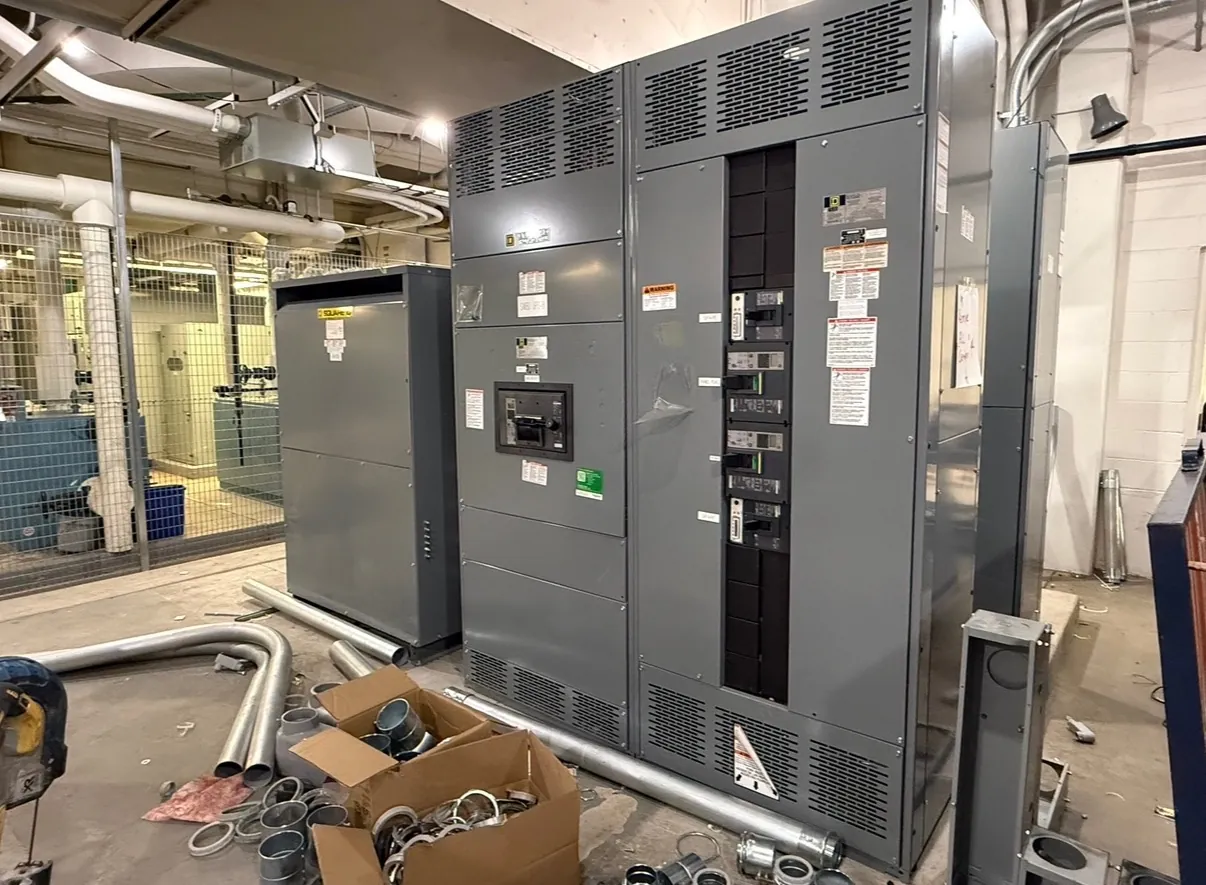
Planning Manufacturing Switchgear for Fernley Facilities
Manufacturing electrical distribution in Fernley starts with the work a facility must perform, not with a standard lineup selected in isolation. Production equipment, building services, controls and future process changes can place different demands on the same distribution system. A useful design discussion identifies the loads that must operate together, those that can be interrupted, and the consequences of losing power to each process area.
For a new installation or planned replacement, document the existing power source and distribution arrangement, expected production changes, and the physical location available for the equipment. These details help qualified electrical engineers evaluate how a switchboard or other distribution assembly should interface with the facility. Final equipment configuration depends on engineering review, site conditions and applicable project requirements.
Match Distribution to Production Loads and Motor Controls
Manufacturing loads may include motors, process machinery, HVAC, lighting, compressors and sensitive control equipment. Their starting behavior, operating schedules and relationship to one another matter when evaluating feeders and protective devices. A load list should distinguish equipment that runs continuously from machinery used intermittently, and identify loads that may be added as production plans evolve.
Motor-control needs also affect the division of equipment and the coordination between distribution and control systems. Some facilities may use separate motor-control equipment; others may have project-specific arrangements. The appropriate choice depends on the electrical design, control scheme, available space and maintenance approach. Coordinate responsibility for starters, drives, control power and field wiring early so interfaces are clear between the equipment manufacturer, electrical contractor and controls team.
Define Uptime Needs and Power-Source Expectations
“Uptime” can mean different things across a plant. A brief interruption may be acceptable for one process but disruptive for another, while certain control or monitoring loads may need continuity through a planned shutdown. Identify critical loads, restart dependencies and the operational impact of an outage before deciding whether the distribution arrangement should accommodate alternate sources or other continuity measures.
For a Fernley project, confirm the expected reliability of the power source with the appropriate utility and project team rather than assuming a particular service arrangement. If the design includes generators, transfer equipment, parallel sources or other backup provisions, those interfaces require coordinated engineering. Source characteristics, protective-device coordination, grounding, control logic and operating requirements must be reviewed as a system; they cannot be settled from a location or product description alone.
Plan Feeder Capacity, Spare Space and Future Changes
Future feeder space is a practical planning choice, but “spare” can refer to different things: physical room for future devices, provisions for additional circuits, or capacity in the overall electrical design. These are not interchangeable. Tell the design team which future loads are anticipated, where they may be located and whether they are likely to be installed in phases. That information can help determine whether to reserve enclosure space, feeder positions or other project-specific provisions.
Adding space does not by itself establish that a future load can be served. Available capacity, conductor routing, protective-device requirements and the upstream source all need review. A thoughtful design balances flexibility against footprint, cost and the risk of specifying provisions that do not fit the eventual process. Confirm the intended spare-feeder requirements before equipment drawings are finalized.
Coordinate Shutdowns, Installation Location and Nevada Logistics
A workable shutdown sequence connects the electrical scope to production operations. Identify which areas can be taken out of service, when access is available, what equipment must remain operating and which parties control outage approval. The contractor and facility team can then plan removal, installation, terminations, inspections and commissioning around the agreed sequence. Actual switching and work practices must be established by qualified personnel under site procedures; equipment copy cannot substitute for that planning.
Installation location influences enclosure selection, access, cable entry, working clearances and environmental considerations. For a Fernley facility, verify the intended indoor or outdoor location, exposure to dust or moisture, ambient conditions, available floor space and the route from delivery point to final position. Shipping to Nevada is supported, but transport access, unloading, staging and site readiness should be coordinated with the project team. No assumed local facility condition should replace a site review.
Prepare a Useful Switchgear Quotation Package
A focused quotation request helps connect manufacturing scope with the engineered project. Provide available one-line diagrams, service and source information, load schedules, motor-control requirements, installation location, enclosure preferences and the planned shutdown window. Include known future feeder needs, required interfaces with existing equipment, project specifications and the intended review milestones. Missing or preliminary information should be identified as such, not treated as confirmed design data.
Assemblies are manufactured in the United States using all-American components, with short lead times supported and shipping available nationwide. Actual schedule depends on confirmed scope, engineering coordination, component requirements and project approvals. Applicable ratings, product listings and standards must be confirmed for the specific assembly and application. UL 891 applies to relevant low-voltage switchboards, not universally to every switchgear product; the project team should verify which requirements govern the equipment under consideration.