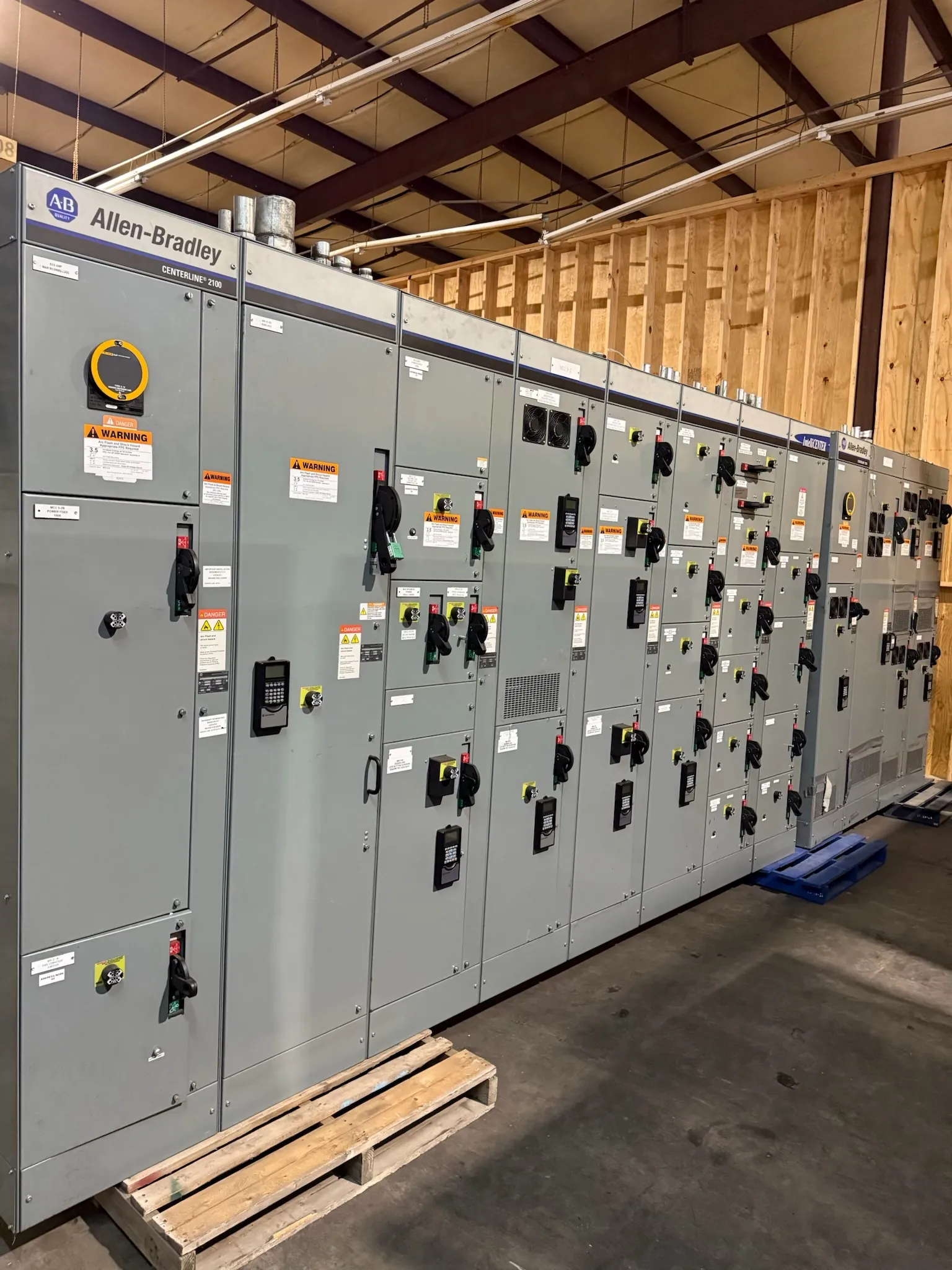
Service Entrance Switchboards for Ely, Nevada Projects
A service entrance switchboard is the point where an electrical service is received and distributed through a facility. For an Ely project, its configuration should be developed around the serving utility’s requirements, the building’s electrical design and the conditions at the installation site—not selected from a generic panel schedule. Early coordination helps establish where metering belongs, how the main disconnect is arranged and what information the equipment designer needs to finalize the service section.
Our U.S.-built service entrance switchboards use all-American components and are manufactured as new equipment for customer projects. We support short lead times and ship nationwide, including to Nevada. The actual design, schedule and shipment plan depend on the confirmed project requirements and equipment configuration.
Coordinate Utility Metering and the Service Interface — Service Entrance Switchboards in Ely, NV
Utility metering arrangements can affect the switchboard’s layout, compartment requirements, access provisions and the division between utility and customer responsibilities. Before finalizing a design, identify the serving utility and request its current service requirements for the specific site. Confirm whether metering is utility-furnished or equipment-integrated, where the metering section must be located, and what provisions the utility requires for access and inspection.
Also document the incoming service characteristics and the intended connection point. The utility and project engineer should resolve service voltage, conductor entrance, metering approach and any required service provisions. A switchboard can be designed around confirmed interface information; assumptions about a utility’s preferred arrangement can lead to revisions, coordination delays or an enclosure that does not fit the approved service plan.
Main Disconnect and Distribution Configuration
The main disconnect selection and downstream distribution should reflect the project’s load schedule, feeder arrangement and operating needs. Relevant choices include the number and type of outgoing devices, provisions for future circuits, physical orientation and whether the installation requires particular access or compartment arrangements. A designer should also review how the main device coordinates with downstream protective devices and upstream utility protection.
Equipment ratings require careful distinction. A voltage rating describes the equipment’s applicable system voltage limits; it is not interchangeable with current or short-circuit ratings. The project’s specified ratings, available configurations and any applicable listing must be confirmed for the actual switchboard and installation. UL 891 applies to applicable low-voltage switchboards, not automatically to every switchgear product or voltage class. No rating or listing should be assumed from a product category alone.
Grounding, Fault Current and Approval Requirements
Service grounding and bonding provisions need to match the engineered service arrangement and applicable requirements. Provide the project’s grounding design, service configuration and any known constraints so the equipment designer can coordinate the appropriate provisions. The design team should establish where neutral-to-ground connections belong and how the service equipment interfaces with the facility grounding system; these details should not be inferred from a brief equipment description.
Available fault current at the service is another essential input. The engineer should obtain or confirm the value and determine the required equipment short-circuit rating and protective-device arrangement. Confirm the utility’s approval process and the applicable authority’s submittal, inspection and acceptance requirements as well. Utility acceptance, code compliance and final suitability depend on the project and the responsible reviewers; they are not guaranteed by a general product description.
Account for Ely Site and Environmental Conditions — Service Entrance Switchboards in Ely, NV
Site conditions can influence equipment selection and enclosure details. For an Ely installation, verify the actual site altitude and ambient temperature range with the project team, then have the equipment designer determine whether the specified ratings or components require derating. Do not presume that a catalog rating remains unchanged under every environmental condition.
Document the indoor or outdoor location, exposure to dust or moisture, available installation space, access route and mounting arrangement. If the switchboard will be placed in an electrical room, confirm room dimensions, working clearances established by the project design, door and cable-entry locations, and the path for moving equipment into position. These details help align the enclosure and section arrangement with real site constraints without assuming particular conditions for every Ely facility.
Information for a Project-Specific Quotation — Service Entrance Switchboards in Ely, NV
A useful quotation package includes the one-line diagram, load and feeder schedules, utility service requirements, specified system voltage, available fault current, requested ratings, metering details and grounding design. Include the intended installation environment, site altitude, ambient conditions, enclosure requirements, connection preferences and applicable review or submittal documents. Identify any required future provisions and known space limitations.
Our team can use those inputs to review the requested service entrance configuration and identify questions that need resolution before manufacturing. Final equipment details require confirmation by qualified engineering personnel and the relevant utility and authorities. With a clearly coordinated design, a new custom switchboard can be prepared for the project’s defined electrical and site conditions and shipped to Ely from our U.S. manufacturing operation.