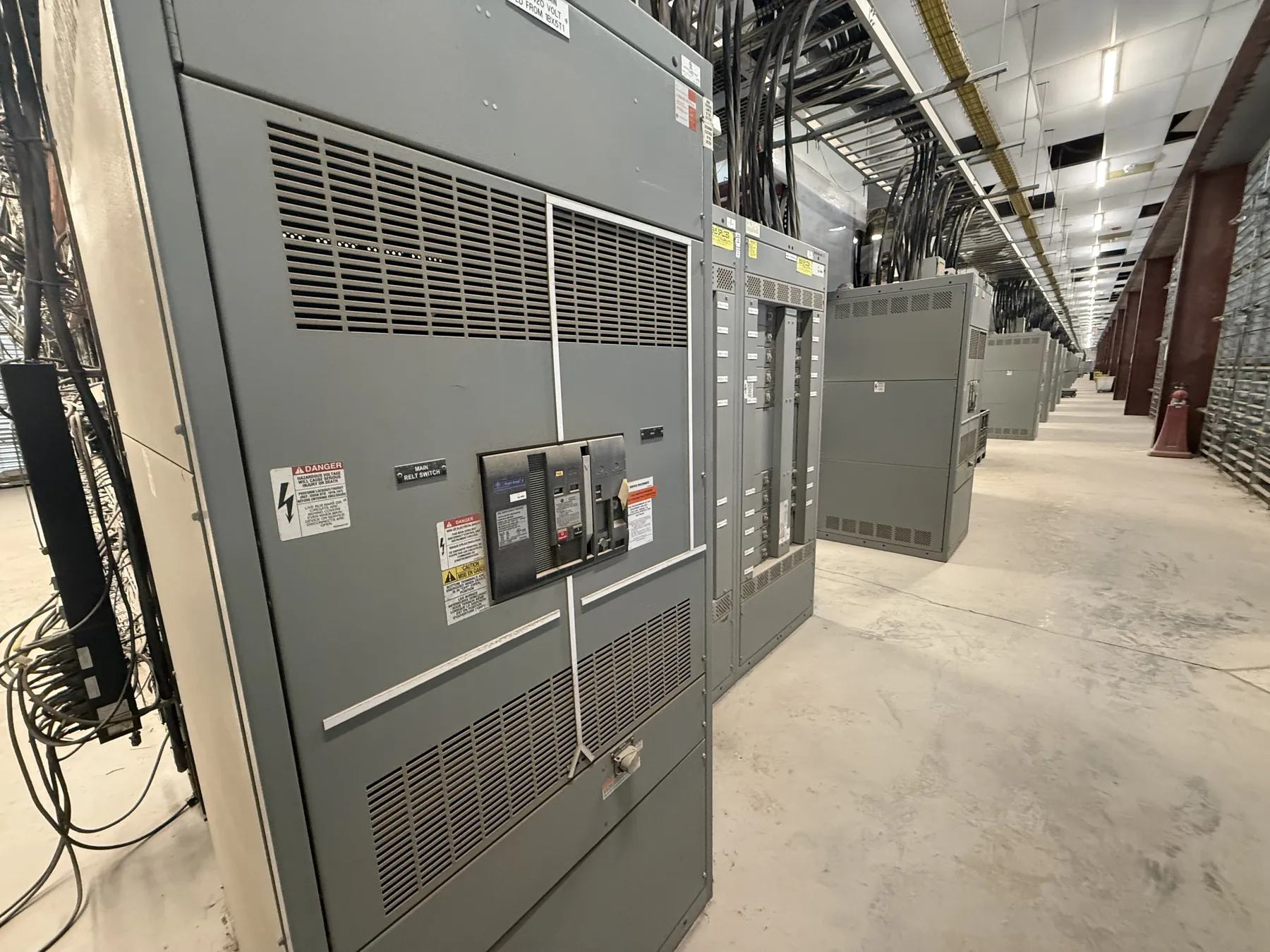
Planning Switchgear for an Ely, Nevada, Project
For a project in Ely, the equipment specification should reflect the actual site, electrical system and operating needs—not just a preferred product name. Start with the project’s one-line diagram, service arrangement and load information, then identify which equipment is required: for example, a low-voltage switchboard, switchgear assembly or related distribution equipment. Those terms are not interchangeable, and the appropriate design depends on system voltage, available fault current, protection requirements and the project’s distribution architecture. A U.S. manufacturer can work from the project documents to develop new custom equipment and coordinate details before fabrication.
Early engineering review is particularly valuable when a project has a tight equipment room, phased construction or interfaces with existing distribution. Confirm the scope of supply, incoming and outgoing connections, metering needs, protective devices and any specified control or communications interfaces. A clear division of responsibility among the equipment designer, electrical engineer, installing contractor and other project parties helps surface conflicts before they affect fabrication or field installation.
Confirm Ely Site Conditions Before Finalizing the Design
Elevation and weather exposure are project inputs, not assumptions to resolve after equipment is ordered. Provide the installation elevation, expected ambient temperature range, whether equipment will be indoors or outdoors, and any relevant conditions such as dust, moisture, corrosive exposure or limited ventilation. The equipment designer and qualified project engineer should review those conditions and determine whether they affect equipment selection, enclosure details, ratings, spacing or required derating. Do not assume a standard rating applies unchanged at the site.
Also verify the planned room or pad layout, access route, door and ceiling clearances, working space requirements, cable entry direction and available service access. A configuration that fits electrically can still create installation or maintenance difficulties if the room dimensions and cable routes are not coordinated. Site review should account for the equipment’s final location and the project’s applicable codes and design criteria.
Specify Ratings, Protection and Product Scope Clearly
Distinguish the system’s nominal voltage from the equipment ratings requested in the specification. Identify the required voltage class, continuous current and short-circuit withstand or interrupting requirements as applicable to the selected equipment and protective devices. These values must align with the system study and project documents; they should not be inferred from a site description alone. Ratings, device selections and any listing requirements require confirmation during engineering review.
UL 891 applies to applicable low-voltage switchboards. It should not be treated as a blanket standard for every switchgear product or for medium- or high-voltage equipment. If a project requires a particular listing, standard, enclosure type or environmental rating, state that requirement in the inquiry so the manufacturer and project engineer can confirm its applicability to the proposed assembly. Include protection and metering functions, spare provisions and any required compartment or access arrangement in the equipment schedule.
Prepare a Useful Quotation Package — Switchgear for Ely, NV
A complete inquiry helps establish scope and identify open questions without guessing at the design. Send the latest one-line diagram, equipment schedule and relevant specifications, along with available fault-current or coordination information. Include the intended installation environment, site elevation, room or pad dimensions, cable entry and termination preferences, and the requested delivery destination in Ely. Note any project milestones, submittal requirements or constraints that could affect manufacturing and shipping coordination.
Clarify whether the request covers the main assembly only or also includes specified protective devices, metering, controls, documentation or related distribution components. If information is preliminary, label it as such and identify who will provide final values. The manufacturer can then distinguish confirmed requirements from items needing engineering review and prepare a proposal around the defined scope. Lead time depends on the finalized configuration, project requirements and production planning, so it should be confirmed for the specific quotation rather than assumed.
Coordinate Interfaces, Submittals and Installation
Before release for manufacture, coordinate equipment dimensions and connection details with the electrical drawings, structural provisions, conduit or bus connections and installation sequence. Review submittal drawings against the project documents and route discrepancies to the responsible engineer. Changes to protective devices, ratings, enclosure details or connection arrangements can affect other parts of the design, so they should be resolved through the project’s established review process.
Plan for receiving and handling at the Ely destination as part of the overall schedule. Confirm the delivery location, site access, unloading responsibility, staging area and whether the building or equipment room will be ready when the shipment arrives. A U.S.-built assembly can be shipped nationwide, but transportation timing and receiving arrangements depend on the project and destination. Share constraints early so shipping plans can be coordinated without promising an unverified delivery date.
Move from Project Requirements to New Equipment
Custom distribution equipment is manufactured to the approved project scope; it is not a substitute for site-specific electrical design. The project’s qualified engineers must establish system requirements and review the proposed configuration, including the effects of site conditions. With clear documents and timely coordination, a manufacturer can address the equipment details, confirm applicable ratings and listing requirements, and support a practical path from quotation through submittal and shipment to Ely.