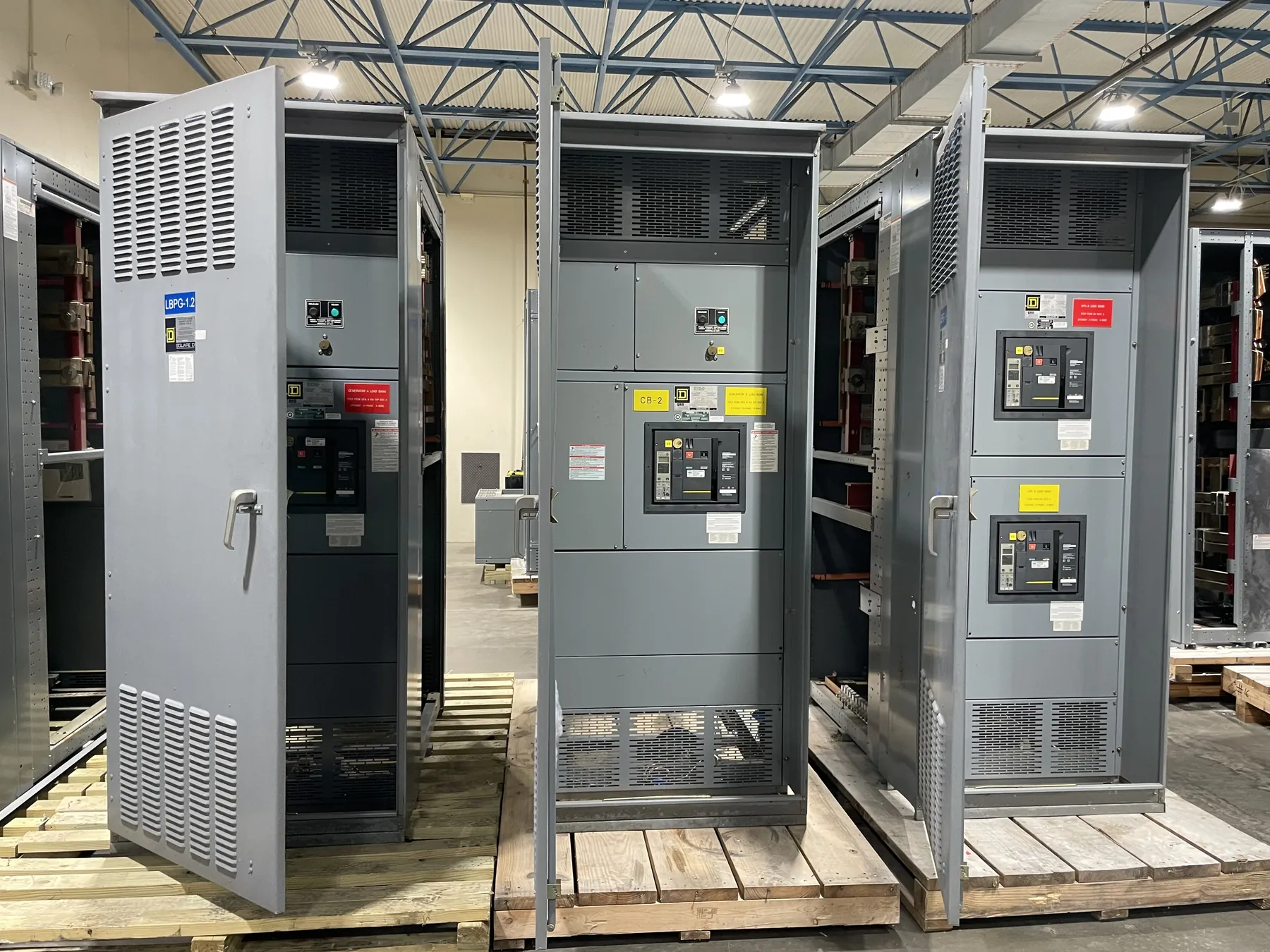
Pad-Mounted Switchgear for Elko, Nevada Projects
For an Elko-area installation, pad-mounted switchgear must suit the electrical system and the exact outdoor site—not just fit a general product description. A design may serve a utility interface, a commercial or industrial distribution system, or another project-defined application. The required arrangement depends on the circuit configuration, system voltage, fault-duty requirements, switching functions and coordination with connected equipment. Those details need review by qualified electrical engineers and the relevant project stakeholders before equipment selection is finalized.
We manufacture new custom power-distribution equipment in the United States and can ship to Nevada. Our assemblies use American components and are designed around project requirements. A quotation is more useful when it includes the one-line diagram, equipment schedule, applicable specifications and the intended installation conditions. Where project documents are incomplete or in conflict, clarify the open points before treating a proposed configuration or rating as final.
Outdoor Enclosure and Elko Site Conditions
The enclosure protects operating components from environmental exposure while providing access for inspection and maintenance. Specify whether the location is exposed to direct weather, blowing dust, nearby traffic, landscaping or other site conditions that could affect the enclosure, doors, ventilation or access. Elko’s regional climate alone does not establish the conditions at an individual installation; the project team should document the ambient temperature range, exposure and any special environmental requirements used for equipment selection.
Enclosure construction and finish should also reflect the installation setting and the project specification. Consider drainage around the equipment, potential water accumulation, corrosion exposure, clear working space and whether doors can open fully without obstruction. Environmental protection is a system of coordinated details: enclosure features, foundation elevation, cable sealing and site grading all matter. Do not assume a standard enclosure option meets every location’s requirements without review.
Foundation, Clearances and Maintenance Access
The foundation must support the equipment and provide a suitable interface for its mounting and cable openings. Coordinate the switchgear outline drawing with the civil and electrical plans before concrete work begins. Confirm pad dimensions, anchor or mounting provisions, conduit locations, below-grade routing and the relationship between the enclosure base and finished grade. Late changes to cable entry or foundation geometry can complicate installation, so resolve those interfaces early.
Plan for the people and equipment that will need access over the service life of the installation. The site layout should account for door swing, working space, approach routes and access to operating or inspection points, as required by the project design and applicable rules. Nearby fences, walls, curbs or other equipment may restrict maintenance access even when the enclosure itself fits on the pad. A site plan with surrounding obstructions is more useful than an isolated equipment footprint.
Cable Entry and Utility Interfaces — Pad-Mounted Switchgear in Elko, NV
Bottom cable entry is common for pad-mounted equipment, but the required arrangement must be confirmed from the design rather than assumed. Provide cable counts, conductor sizes and types, termination details, conduit layout, bend-space constraints and any required separation between circuits. Identify whether cables approach from below the pad, from another defined route, or through a project-specific interface. These inputs affect compartment arrangement and the placement of bushings, terminals and internal connections.
Utility-facing requirements deserve early coordination. The serving utility or other interface owner may specify connection arrangements, switching functions, access provisions, labeling or documentation. Share those requirements with the equipment manufacturer and the project engineer before design approval. Utility preferences do not, by themselves, establish that a particular configuration is acceptable; acceptance and interface details must be confirmed for the actual project.
Ratings, Switching Functions and Specification Review
Equipment ratings must match the system design and the conditions at the point of installation. State the system voltage separately from equipment ratings, and provide the required continuous-current and short-circuit information, grounding approach, number of ways and switching or protection functions. A rating is not interchangeable with nominal system voltage, and a generic product description cannot determine the correct values. The engineer of record should confirm the design basis and coordinate protective-device requirements with the broader electrical system.
Applicable standards and any requested listing must be identified for the specific equipment type and scope. UL 891 applies to relevant low-voltage switchboards; it should not be treated as a blanket standard for pad-mounted switchgear or assumed to cover every assembly. Confirm the applicable requirements, product scope and any required listing with the project team before specifying them.
Information for an Elko Switchgear Quotation
For a project-specific proposal, provide the one-line diagram, equipment schedule, site plan, foundation or conduit details, utility or interface criteria, environmental conditions, required drawings and project specifications. Include the planned installation location’s exposure, enclosure needs, maintenance clearances and any known constraints on delivery access or staging. Elko-area logistics should be considered with the site team, since receiving arrangements and access depend on the particular facility.
We review these inputs to develop new custom equipment for the defined application and coordinate unresolved details before manufacturing. Lead times depend on the finalized design, component requirements and project conditions; timing should be confirmed for the specific quotation. Ratings, construction details and applicable listings remain subject to project review and confirmation, rather than assumptions based on location or product category.