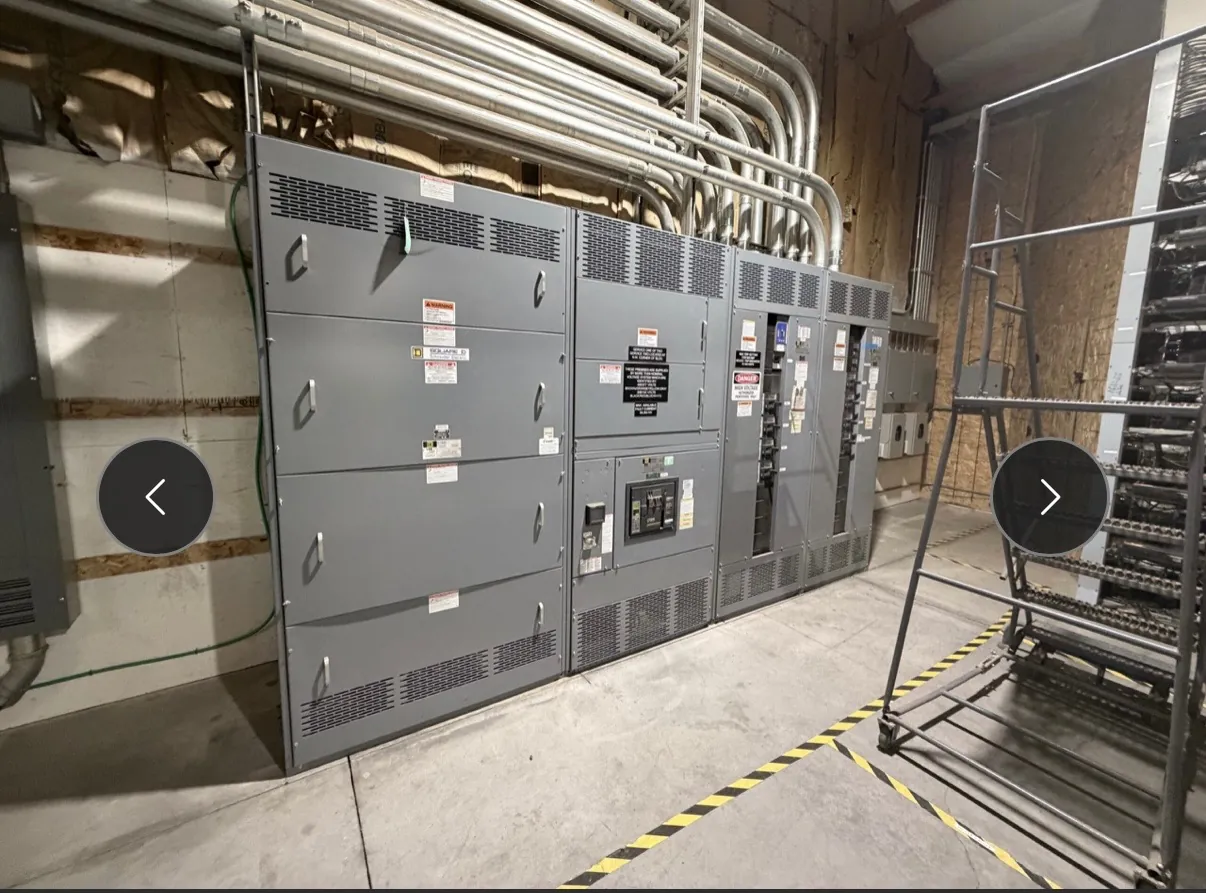
Hospital Switchgear for Elko, Nevada Projects
Hospital electrical distribution must support patient-care functions while allowing planned maintenance, testing, and response to a loss of normal power. For an Elko project, the switchgear package should be developed from the facility’s electrical design, essential electrical system (EES) arrangement, applicable codes, and site conditions—not from a generic “hospital switchgear” configuration. Our U.S.-manufactured equipment is built with all-American components and can be shipped nationwide, including to Nevada. Final equipment scope, ratings, listing requirements, and delivery arrangements must be confirmed for the project.
Early coordination helps establish which equipment belongs in the normal distribution system, which components serve the EES, and where source transfer occurs. Those boundaries affect switchboard sections, protective devices, metering, control interfaces, and the space needed for installation and future service. A design team should identify the facility’s adopted code editions and authority requirements before the equipment specification is finalized.
Separate Essential Electrical System Branches Clearly
Hospital EES layouts commonly distinguish life safety, critical, and equipment branches, but the precise arrangement depends on the facility design and applicable requirements. Each branch has a defined purpose and connected loads; the switchgear should reflect the approved one-line diagram rather than treating all emergency loads as one undifferentiated group. Branch identification, circuit allocation, labeling, and physical organization should be coordinated with the electrical engineer and the hospital’s facilities team.
These decisions also affect feeder routing and the number and arrangement of distribution sections. Space, available fault current, selective coordination objectives, maintenance needs, and the project’s operating plan can influence device selection and layout. Do not assume a particular switchboard assembly can provide every required function: equipment boundaries and ratings must be checked against the design and the applicable product standards.
Coordinate Source Transfer and Generator Interfaces
Transfer equipment determines how designated loads connect to normal and alternate sources. The specification should identify the intended transfer arrangement, which loads transfer, the equipment location, control and indication needs, and how the transfer equipment interfaces with generators, upstream service equipment, and downstream distribution. Transfer devices may be separate from switchboards or integrated into a broader distribution package; the single-line diagram and project documents should make that scope clear.
NFPA 99 and NFPA 110 address different aspects of health care facility systems and emergency power supply systems. Their applicable requirements depend on the project, adopted editions, system classification, and authority having jurisdiction. The design team should determine how those requirements apply to source transfer, emergency power, and connected loads. A manufacturer can build to a reviewed specification, but cannot establish the project’s code interpretation or substitute for engineering and authority review.
Specify Ratings, Construction, and Elko Site Conditions
Equipment ratings are not interchangeable with system voltage. The specification should state system characteristics and separately identify required equipment ratings, including voltage, current, interrupting or withstand requirements where applicable, and any other project-defined performance criteria. Available fault current, protective-device coordination, service conditions, and the approved design inform those choices. Ratings and any required product listing must be confirmed for the exact assembly; UL 891 applies to applicable low-voltage switchboards, not every type of switchgear or every electrical product.
For the actual Elko site, document specified ambient conditions, indoor or outdoor placement, enclosure requirements, exposure to dust or moisture, and any heating, ventilation, or environmental controls that affect the equipment location. Confirm room dimensions, access routes, door clearances, working space, lifting and setting constraints, and maintenance access before releasing the layout. Local weather and site logistics may affect transportation and installation planning, but should be evaluated from project-specific conditions rather than assumptions about every Elko facility.
Provide Complete Inputs for a Useful Quotation
A quotation is more useful when the design basis and equipment boundaries are defined. Provide the current one-line diagram, equipment schedule, specifications, available fault-current information, required ratings, branch assignments, transfer-device scope, control and metering requirements, enclosure details, and any applicable listing requirements. Identify the project location and anticipated receiving constraints so shipping and unloading can be coordinated. Note whether the package includes only switchboards or also associated transfer equipment, distribution sections, or other specified assemblies.
Open design questions should be identified rather than silently assumed. For example, unclear branch loads, a transfer device shown outside the equipment scope, or incomplete fault-current data may affect configuration and pricing. Changes to drawings, ratings, or interfaces after review can require a revised proposal. Lead times are project-specific and should be confirmed against the approved scope and current manufacturing schedule.
Assign Commissioning and Handover Responsibilities — Hospital Switchgear in Elko, NV
Commissioning is a coordinated project activity, not a manufacturer-only task. The electrical engineer defines design intent and acceptance criteria; the installing contractor is responsible for installation and field coordination; the commissioning provider and facility representatives perform or witness assigned checks; and the manufacturer supplies the documentation and support specified for its equipment. The project team should agree on responsibilities, test boundaries, records, and the process for resolving findings before startup.
Commissioning planning should address the complete path from sources through transfer equipment and distribution to designated loads, in accordance with approved project documents and applicable requirements. Handover materials should match the delivered configuration and support the facility’s maintenance program. With clear branch definitions, verified ratings, documented site conditions, and coordinated responsibilities, a hospital project in Elko can specify new distribution equipment around its actual operational and installation needs.