Start With the Equipment and Its Intended Use
Electrical distribution equipment is evaluated under different standards according to its construction, voltage class and intended function. A switchboard, a low-voltage switchgear assembly and a medium-voltage lineup are not automatically governed by the same product standard. Begin with the one-line diagram and equipment description, then identify the applicable project specifications, code requirements and authority expectations.
For Nevada projects, our U.S. manufacturing approach uses all-American components in new equipment. The project’s qualified engineer should determine which requirements apply to the proposed installation and verify ratings and interfaces. A general explanation of standards cannot establish compliance or replace the documented review of the specific assembly.
Distinguish a Standard From a Product Listing
A product standard sets requirements within a defined scope. A listing is evidence of an identified product’s evaluation by a listing organization under its applicable program. A specification can require an assembly to meet a standard, to be listed, or both; citing the standard in a proposal does not prove that the particular assembly is listed.
Individual components may themselves be listed or recognized for specified uses, but their markings do not automatically establish a listing for the completed assembly. If a listing is required, request evidence identifying the manufacturer, product category, applicable standard and configuration. Review any conditions, ratings and limitations with the manufacturer and the authority having jurisdiction.
Match Standards to the Product Category
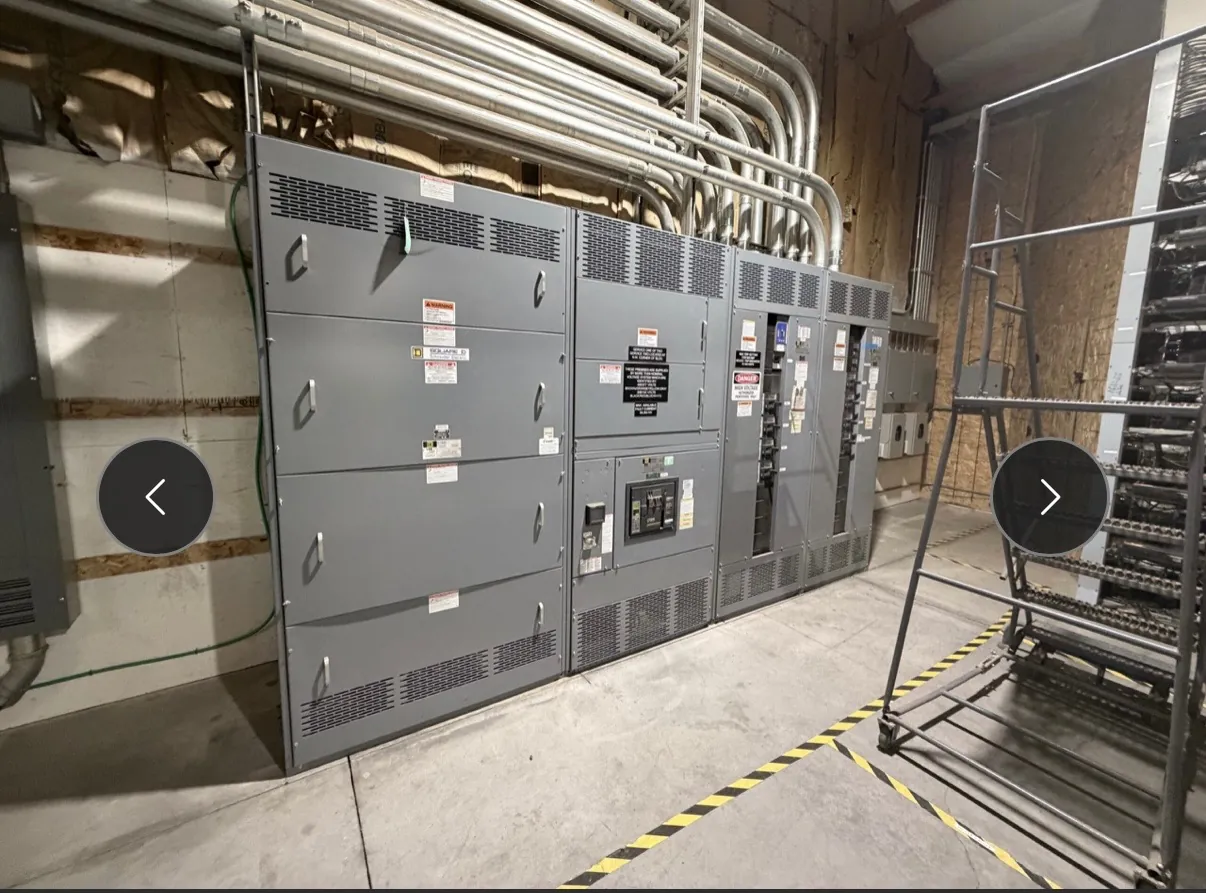
UL 891 applies to relevant low-voltage switchboards; it is not a blanket standard for every product called switchgear. UL 1558 may be relevant to applicable low-voltage metal-enclosed switchgear, while IEEE C37.20.2 addresses metal-clad switchgear. Medium-voltage equipment must be assessed against the standards and ratings applicable to its actual construction, not against UL 891.
Other equipment can have different product standards: UL 1008 is associated with transfer switch equipment, UL 845 with motor control centers, UL 857 with busways and UL 67 with panelboards. These references do not establish that a particular product is listed or that every edition applies. Confirm the specified standard, edition and equipment scope for the project.
Check Ratings for the Complete Assembly
Compare nominal system voltage with equipment voltage and insulation ratings appropriate to the application. Confirm main and feeder current ratings, ambient conditions and any restrictions on loading. In medium-voltage systems, the selected equipment class, insulation level, cable terminations and protective relaying need project-specific review rather than reliance on a voltage label alone.
Available fault current, protective-device interrupting ratings and assembly short-circuit capability describe different things. A breaker rating cannot automatically be substituted for the rating of the assembled equipment. The engineer should evaluate system fault duty and coordination for the operating modes, using manufacturer documentation for the actual device and assembly configuration.
Request Evidence and Understand the Test Scope
Ask for the proposed equipment submittal, nameplate data, applicable listing documentation where required and records of the specified factory checks. Identify optional devices, control arrangements and shipping splits so their effect on the evaluated construction can be reviewed. If a configuration or field modification falls outside the documented scope, resolve the issue before proceeding.
Routine production inspections and tests on an individual assembly are distinct from design or type tests supporting a product construction. Project acceptance testing may add requirements, such as specified reports or witnessed checks. Agree on the applicable test plan and acceptance criteria in advance, and do not treat an unspecified test as a guaranteed result.
Connect Manufacturing Evidence With Field Approval
Approved drawings and listing evidence are important inputs, but installation conditions also matter. The field team must follow applicable instructions for mounting, terminations, grounding, clearances and environmental protection. Project specifications may assign additional commissioning tests, relay settings or inspections to qualified personnel outside the equipment manufacturing scope.
Confirm the roles of the manufacturer, engineer, installer, utility and authority having jurisdiction for the actual project. The authority’s acceptance and any required inspection cannot be assumed from a generic statement about a standard. Keep the final drawings, test records, nameplate information and relevant listing evidence with the project documentation for future reference.