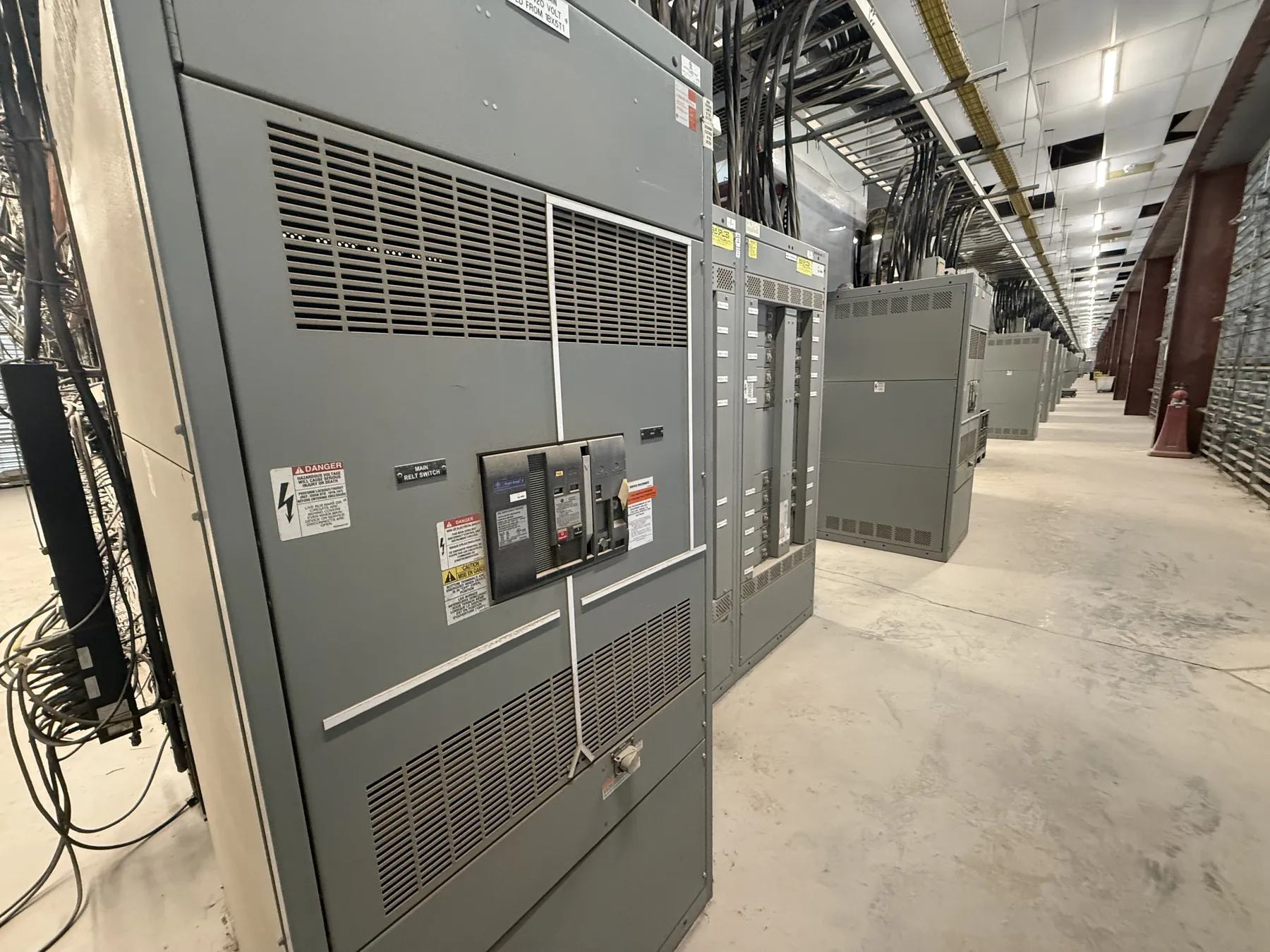
What a NEMA Enclosure Type Describes
A NEMA enclosure type identifies the environmental conditions an enclosure is designed and tested to address under the applicable NEMA standard. For switchgear and power-distribution equipment, it helps describe how the enclosure protects internal components from specified external influences, such as access to hazardous parts, falling dirt, water, corrosion, or other conditions. The type is not a general measure of equipment quality, nor does it establish that an assembly is suitable for every location where that type is used.
The designation applies to the enclosure’s defined protective characteristics—not to the switchboard’s electrical ratings, system voltage, interrupting capacity, or suitability for a particular power system. Those are separate engineering considerations. The enclosure type and the electrical design must both be appropriate for the project.
Types Correspond to Defined Conditions, Not Vague Labels
Different NEMA enclosure types address different combinations of environmental exposures. A type intended for a particular indoor setting may address access and falling dirt, while another may include protection against specified water exposure or corrosion conditions. The distinctions matter: “water resistant,” “weatherproof,” and “outdoor rated” are not precise substitutes for a stated enclosure type and its defined test conditions.
A type designation also does not mean an enclosure is impervious to every substance or event. The standard’s scope and test methods define what the designation means. For example, a specified water test does not by itself establish suitability for every washdown chemical, prolonged submersion, severe icing, or a site-specific hazard. Confirm the exact conditions against the applicable standard and product documentation rather than interpreting a type name as an unlimited guarantee.
Match the Type to the Actual Site Exposure
Choosing an enclosure starts with the equipment’s location and the conditions it will encounter. Consider whether it will be indoors or outdoors; exposed to wind-driven rain, dust, condensation, salt air, cleaning processes, or corrosive substances; and subject to temperature changes or physical contact. The surrounding building also matters. A sheltered electrical room, an exterior wall, and an industrial process area can impose different requirements even when they are part of the same facility.
For a Nevada installation, the site review should reflect the actual facility rather than assume one statewide environment. An indoor conditioned room presents different exposure concerns from an exterior installation or a dusty process area. Sun exposure, temperature variation, airborne contaminants, and maintenance practices may affect the enclosure choice and other design details. A qualified project team should establish which conditions apply and whether the specified enclosure type addresses them.
Enclosure Type Is Not the Same as an IP Rating
NEMA enclosure types and IP ratings are related in that both describe aspects of enclosure protection, but they are separate classification systems with different definitions and test criteria. One should not be substituted for the other by relying on a casual equivalency chart. If a project specification names an IP rating, a NEMA type, or both, the equipment manufacturer and project engineers should confirm the required designation and documentation for the actual product.
Similarly, an enclosure type does not determine whether a low-voltage switchboard is listed to UL 891. UL 891 applies to applicable low-voltage switchboards; it is not an enclosure-type designation and does not cover every switchgear product or voltage class. Confirm listing scope and enclosure details for the specific assembly rather than inferring one from the other.
How Enclosure Choices Affect a Switchboard Design
An enclosure selection can influence footprint, access, ventilation, component arrangement, cable entry, and maintenance clearance. Openings, doors, seams, gaskets, and accessory interfaces must be considered as part of the assembled design. A field modification or unreviewed opening can change how an enclosure performs, so proposed penetrations, conduit locations, or accessory requirements should be coordinated before fabrication.
Environmental protection also interacts with heat management. Restricting openings or changing the enclosure configuration may affect how heat is dissipated, while the equipment’s electrical loading and component arrangement affect thermal conditions. Engineers must assess these factors together. A requested type alone does not establish that the completed assembly will meet every project condition or operating requirement.
Information Needed for a Useful Enclosure Specification
For a quotation or design review, provide the specified NEMA type, installation location, known environmental exposures, indoor or outdoor designation, required electrical ratings, and applicable project drawings or specifications. Identify unusual cleaning methods, corrosive agents, dust conditions, cable-entry constraints, mounting requirements, and any required paint or material details. If the specification uses an IP rating or other environmental terminology, include the exact wording so the design team can resolve requirements rather than assume equivalence.
For custom new switchgear and power-distribution equipment, the manufacturer can review these inputs alongside the project’s electrical and physical requirements. The final enclosure configuration, applicable ratings, listing status, and documentation must be confirmed for the specific product and site. That coordination helps ensure the type designation describes the intended exposure instead of serving as a shorthand for conditions the project has not actually defined.