Low Voltage Definition Depends on the Applicable Standard
“Low voltage” describes an electrical voltage category, but it does not have one universal boundary that applies to every industry, standard, country, or type of equipment. A term used in a building code, product standard, utility document, or engineering specification may be defined for that document’s particular purpose. The same phrase can therefore refer to different ranges in different contexts. For a project in Nevada—or anywhere else in the United States—the useful definition is the one established by the governing standard and project documents, not an assumed cutoff carried over from another application.
This distinction matters when selecting or specifying power-distribution equipment. A label such as “low-voltage switchgear” is not, by itself, a complete description of the system or a guarantee that a particular assembly is suitable. The project team must establish the actual system voltage, equipment function, required ratings, applicable product standards, and site conditions. Qualified electrical engineers should confirm how those requirements apply to the installation.
Classification Is Not the Same as a System Voltage
A voltage classification is a category used within a particular framework. System voltage, by contrast, describes the electrical system a piece of equipment is intended to serve. These terms are related, but they are not interchangeable. A product description may identify equipment as low voltage while omitting the specific system voltage, configuration, or ratings needed to evaluate it for a project.
When reviewing a specification, identify the exact system voltage and the terminology used by the project’s governing documents. Check whether the document distinguishes nominal voltage from other voltage values, and whether it defines the boundary of “low voltage” for a stated purpose. If two documents appear to use the term differently, resolve the discrepancy with the responsible engineer rather than choosing whichever definition seems most familiar.
How the Definition Relates to Switchboards and Switchgear
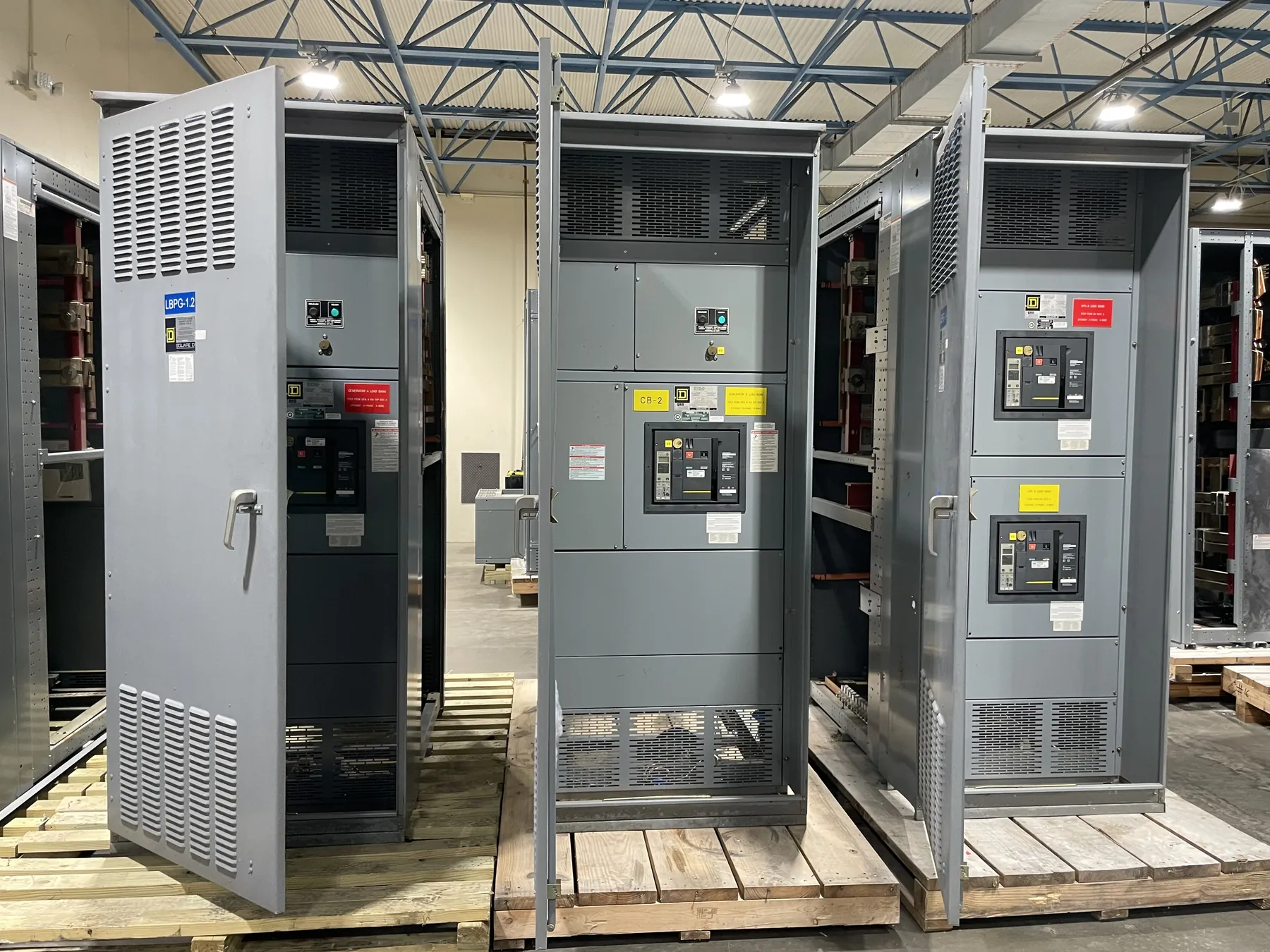
In power distribution, low-voltage equipment commonly includes assemblies used to distribute and protect electrical power at the system voltages specified for the project. Switchboards and switchgear serve related but distinct equipment roles, and their construction, ratings, and applicable standards are not automatically interchangeable. The product name alone does not establish suitability for a particular source, load, fault condition, or installation.
UL 891 applies to low-voltage switchboards within its scope. It should not be read as a standard covering every kind of switchgear, medium- or high-voltage equipment, busway, or all products described informally as low voltage. Whether a particular assembly is listed, and which requirements apply, must be confirmed for that specific product and configuration. Do not infer a listing or certification from a general category label.
Ratings and Interfaces Need Separate Review
Voltage is only one part of an equipment specification. Other project requirements may include continuous current, short-circuit capability, protective-device characteristics, enclosure type, incoming and outgoing connections, metering, and the arrangement of sections. A voltage rating does not establish any of these values, and a current rating does not define the system voltage. Each rating must be selected and verified for the intended application.
Interfaces deserve particular attention. The assembly may need to coordinate with a transformer, generator, utility service, downstream distribution equipment, or building controls. Connection locations, conductor entry, available space, access requirements, environmental conditions, and the project’s electrical design can affect the configuration. The engineer should assess the complete system and site, including how the equipment will be installed and maintained; a glossary definition cannot make those design decisions.
Use the Project Classification When Requesting Equipment
For a quotation or technical review, provide the project’s stated low-voltage definition or governing reference when it is available. Include the system voltage, equipment type and function, required ratings, one-line diagram or equivalent design information, connection details, enclosure and installation conditions, and any specified product-standard or listing requirements. Identify unresolved questions rather than filling gaps with assumptions.
These inputs help a manufacturer understand what is being requested, but they do not replace engineering review. Conflicting voltage terminology, incomplete fault information, or an unclear interface may require clarification before a configuration can be evaluated. Ratings, applicable listings, and project-specific details must be confirmed for the actual design and equipment.
A Practical Way to Read “Low Voltage”
Read the term as a context-dependent classification, then find the standard or project document that defines it. Confirm the actual system voltage separately, distinguish switchboards from other equipment types, and review each required rating and interface on its own terms. This approach helps prevent a broad category label from being mistaken for a complete specification. For custom power-distribution equipment, clear project language gives the manufacturer and engineering team a sound basis for evaluating the requested assembly without assuming that one definition fits every application.