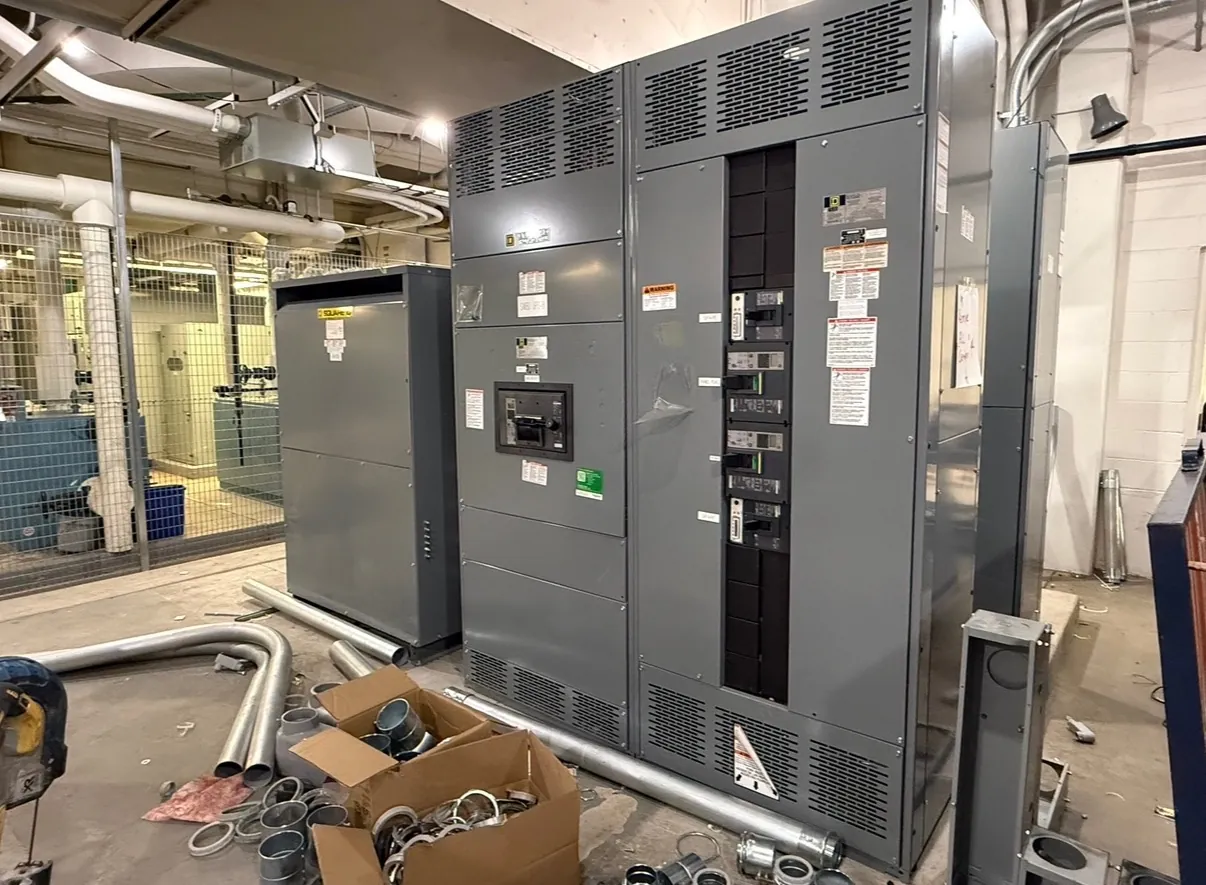
UL 891 vs. UL 1558: Which Low-Voltage Standard Applies?
UL 891 and UL 1558 address different types of low-voltage distribution equipment. UL 891 applies to low-voltage switchboards. UL 1558 applies to metal-enclosed low-voltage power switchgear. Although the assemblies may serve related distribution functions, the standards are not interchangeable labels for the same product. The correct basis depends on the equipment’s construction, intended function, ratings, project specifications and applicable documentation. For a Nevada facility, confirm the required product type with the project’s electrical engineer and review the actual manufacturer documents—not just a proposal description or a general reference to “switchgear.”
These standards concern equipment construction and evaluation; neither should be read as a complete answer to whether an assembly suits a particular installation. System voltage, current and interrupting requirements, available fault current, protective-device coordination, installation conditions and the authority having jurisdiction all matter. A rating is not the same thing as system voltage, and a standard number alone does not establish every rating or project approval.
What UL 891 Means for a Switchboard
A low-voltage switchboard designed to the applicable UL 891 requirements is commonly selected for distributing power through a building or facility. Its arrangement may include incoming and feeder sections, bus, protective devices, metering and other specified components. The exact configuration varies with the electrical design and equipment schedule. In a quotation, the manufacturer should identify the product as a switchboard and provide documentation that supports the stated construction and applicable ratings.
When considering a switchboard, review the required incoming arrangement, feeder count and sizes, breaker or fuse types, metering needs, enclosure details and provisions for future circuits. Also confirm how the equipment interfaces with the service or upstream source, downstream distribution and the available installation space. These decisions affect the section layout and connection points; a standard reference by itself does not settle them.
What UL 1558 Means for Low-Voltage Power Switchgear
UL 1558 applies to low-voltage power switchgear, a distinct product category. A project may call for this category when its design specifies power switchgear construction and associated equipment features. The required arrangement, protective devices, controls, compartmentation and connections must be established for the actual application. Do not infer that a product meets UL 1558 simply because a seller uses “switchgear” as a broad marketing term.
Ask for product-specific documentation that identifies the assembly and the applicable standard. Compare the documented product type and ratings with the project specification, one-line diagram and equipment schedule. If those documents call for UL 1558 power switchgear, a UL 891 switchboard is not automatically an equivalent substitute; any proposed substitution needs review and acceptance through the project’s engineering and procurement process.
How to Compare the Two for a Nevada Project
Start with the equipment designation in the project documents, then check the required system voltage and the separate equipment ratings. Confirm the continuous-current and short-circuit requirements, protective-device type, incoming source, feeder arrangement and any metering or control interfaces. Coordinate these details with the upstream and downstream equipment so that the proposed assembly fits the intended distribution scheme. The electrical engineer must evaluate protection and coordination against the system design and available fault conditions.
Nevada facilities can have different service arrangements, building layouts, environmental conditions and access constraints. Those site facts can influence enclosure selection, cable entry, section placement and installation planning, but they do not change which standard applies to a product category. Before quotation, provide the current one-line diagram, equipment schedule, specification, connection requirements and relevant site conditions. Identify any constraints on shipping access or receiving so the equipment can be planned for the actual destination without assuming a particular project configuration.
What to Verify in Product Documentation and a Quote
Request a clear description of whether the proposed equipment is a UL 891 switchboard or UL 1558 low-voltage power switchgear. Review the product-specific listing or other applicable documentation, stated ratings, configuration and exceptions. Confirm that the documents correspond to the exact assembly being offered; a standard reference in general literature does not prove that every model or configuration carries a particular listing. UL 891 applies to applicable low-voltage switchboards, not to all switchgear, medium- or high-voltage equipment, busway or every product.
For a useful quotation, submit the project specification and drawings along with the required ratings, device schedule, bus and connection details, enclosure requirements, metering or control needs, and delivery destination. A U.S. manufacturer of custom power-distribution equipment can review those inputs and identify questions before finalizing a proposal. Assemblies use all-American components, are built in the USA and ship nationwide, including to Nevada; project-specific scope and documentation still need confirmation.
When the Standard or Product Type Is Unclear
If the specification uses “switchboard” and “switchgear” inconsistently, or cites both standards without explaining the intended assembly, raise the issue before selecting equipment. Ask the specifying engineer to clarify the product category, governing requirements and any acceptable alternatives. Then compare the manufacturer’s documentation with the approved design and procurement requirements. This prevents a terminology shortcut from obscuring differences in construction, ratings or interfaces and helps ensure the quoted equipment is reviewed on the basis the project actually requires.