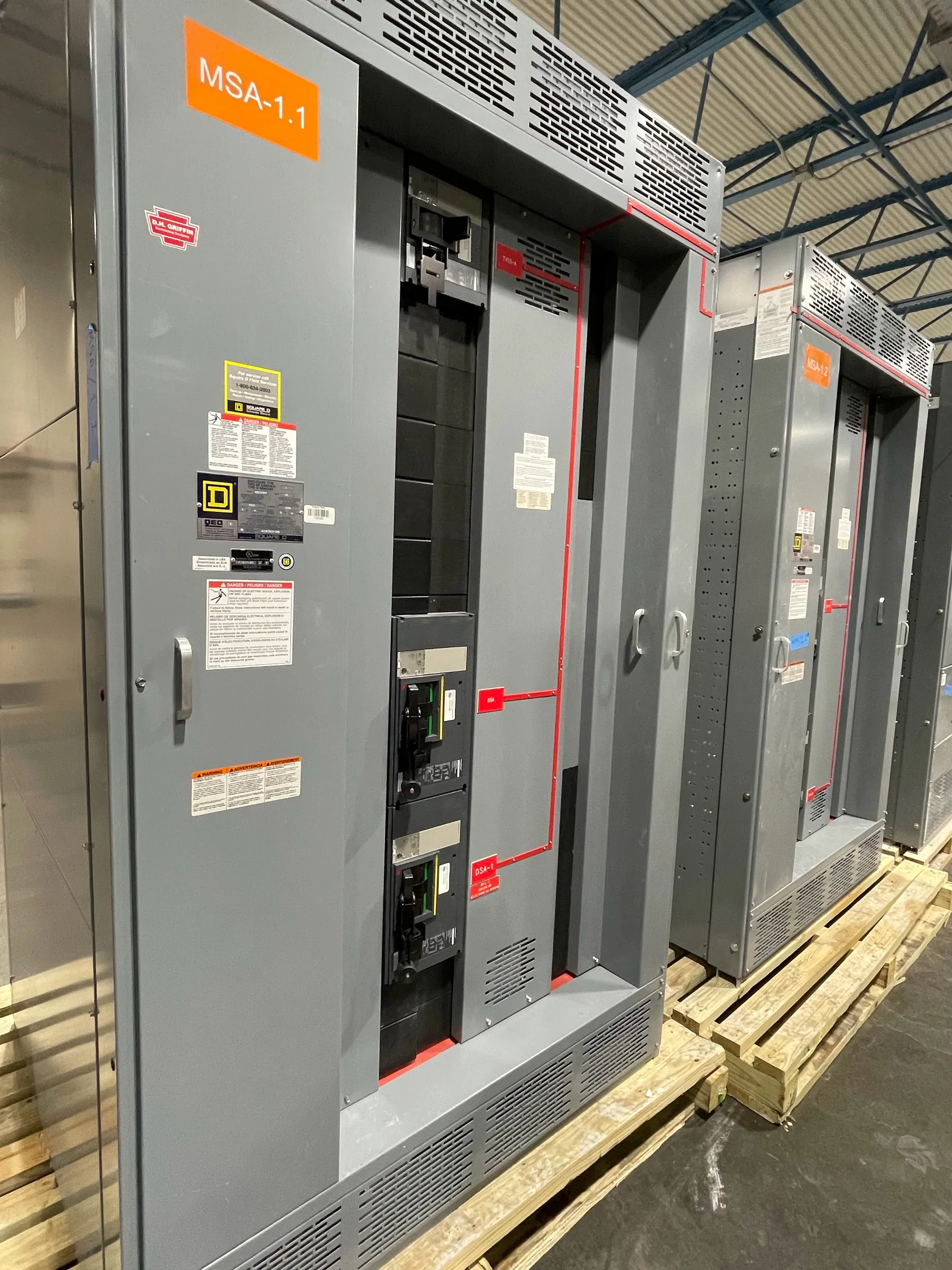
Shipping New Switchgear to a Nevada Jobsite
New custom switchgear and power-distribution equipment can be shipped to Nevada from a U.S. manufacturer. Planning the shipment is more involved than choosing a destination address: the equipment must arrive in a form that can be received, moved through the facility, and positioned for its intended installation. Site access, delivery vehicle requirements, unloading arrangements, equipment dimensions, and the project schedule all affect the shipping plan. Shipment terms and responsibilities are confirmed for each order rather than assumed to be the same for every project.
For Nevada facilities, account for the actual receiving location, not just the city or ZIP code. A project may be at a commercial building, industrial site, utility-related facility, or a remote location with different access constraints. The delivery point may be a loading dock, a designated exterior area, or a location near the electrical room. Providing the site’s receiving contact and explaining any access restrictions helps identify questions that need resolution before dispatch.
What to Provide When Planning Delivery
Useful quotation and coordination details include the project location, requested delivery window, receiving hours, and the name or role of the person coordinating receipt. Describe truck access, gate or security procedures, appointment requirements, construction-site restrictions, and whether the carrier can reach the intended unloading area. If the address is difficult to locate or the route has restrictions, flag that early. Do not assume that a standard truck can reach every point on a site.
Share known requirements for delivery documentation, advance notice, carrier check-in, and coordination with a general contractor or site manager. If the equipment must arrive in a particular sequence to match construction progress, explain the sequence and any schedule dependencies. The manufacturer and customer can then review how those needs fit the order and confirm applicable shipping terms. A requested date is not a confirmed delivery date until the order details and arrangements have been reviewed.
Section Size, Access, and Equipment Configuration
Switchboards and other assemblies may be divided into shipping sections to suit the design and practical handling constraints. Section dimensions and weight depend on the approved equipment configuration; they should not be guessed from a general product description. A narrow doorway, low overhead clearance, tight corridor, sharp turn, limited elevator, or restricted electrical-room entrance can affect how large a section can be and how it can be moved after delivery.
Before the design is finalized, compare the equipment route with the proposed section arrangement. Confirm clear opening dimensions, overhead obstructions, turning space, floor conditions, and any limits imposed by a dock, ramp, elevator, or material-handling equipment. If a section must pass through a constrained route, the project team should identify that constraint early. Smaller sections may ease movement in some situations, but they can affect assembly, connections, installation work, and the coordination of adjacent equipment. Qualified project engineers should evaluate design implications alongside access needs.
Unloading and Jobsite Receiving Responsibilities
Shipping a load to the site does not by itself establish who will unload it, provide lifting equipment, move it indoors, or place it in its final position. Confirm these responsibilities for each order. The receiving plan should identify the people and equipment available to handle the shipment, the unloading location, and any site rules affecting delivery. If a crane, forklift, rigging crew, or other material-handling resource may be needed, the customer’s construction and logistics teams should verify suitability for the actual load and conditions.
Consider whether the site can receive the full order at once or needs staged deliveries. Limited laydown space, weather exposure, active construction, and restricted access can influence the practical receiving window. Agree on where the equipment can be placed temporarily and how it will be protected in accordance with project requirements. Establish who will check the shipment on arrival and how any visible shipping concern will be documented and communicated under the applicable order and carrier process.
Electrical and Project Details Still Require Review
Delivery planning is only one part of a successful installation. The order must also reflect the project’s electrical requirements, equipment interfaces, and site conditions. Provide the approved one-line diagram and relevant specifications, along with system voltage, required equipment ratings, available fault information where applicable, incoming and outgoing connection requirements, and space constraints. A voltage describes the electrical system; it is not interchangeable with an equipment rating. Ratings, product scope, any applicable listing, and project details require confirmation for the specific design.
UL 891 applies to applicable low-voltage switchboards; it should not be treated as a blanket designation for every switchgear product or for medium- or high-voltage equipment. Confirm requirements with the project’s qualified electrical engineer and the relevant authorities for the installation. Engineering review and site review are essential before finalizing equipment configuration, interfaces, and delivery assumptions. No shipment plan can resolve design questions that have not been established for the project.
Confirming Shipment Terms for Each Order
The manufacturer builds new custom switchgear and power-distribution equipment in the United States using all-American components and ships nationwide. Short lead times are supported, but the schedule depends on the order’s design, approvals, manufacturing coordination, and shipment arrangements; no exact timing should be assumed without confirmation. Before placing an order, ask which shipping responsibilities apply, what delivery location is included, how unloading is handled, whether advance appointments are needed, and what information must be ready before release.
Clear answers about section size, route, unloading, receiving hours, and order-specific shipment terms help prevent avoidable coordination gaps between the manufacturer, carrier, contractor, and site team. Confirm the final delivery plan with the responsible parties before the shipment is scheduled.