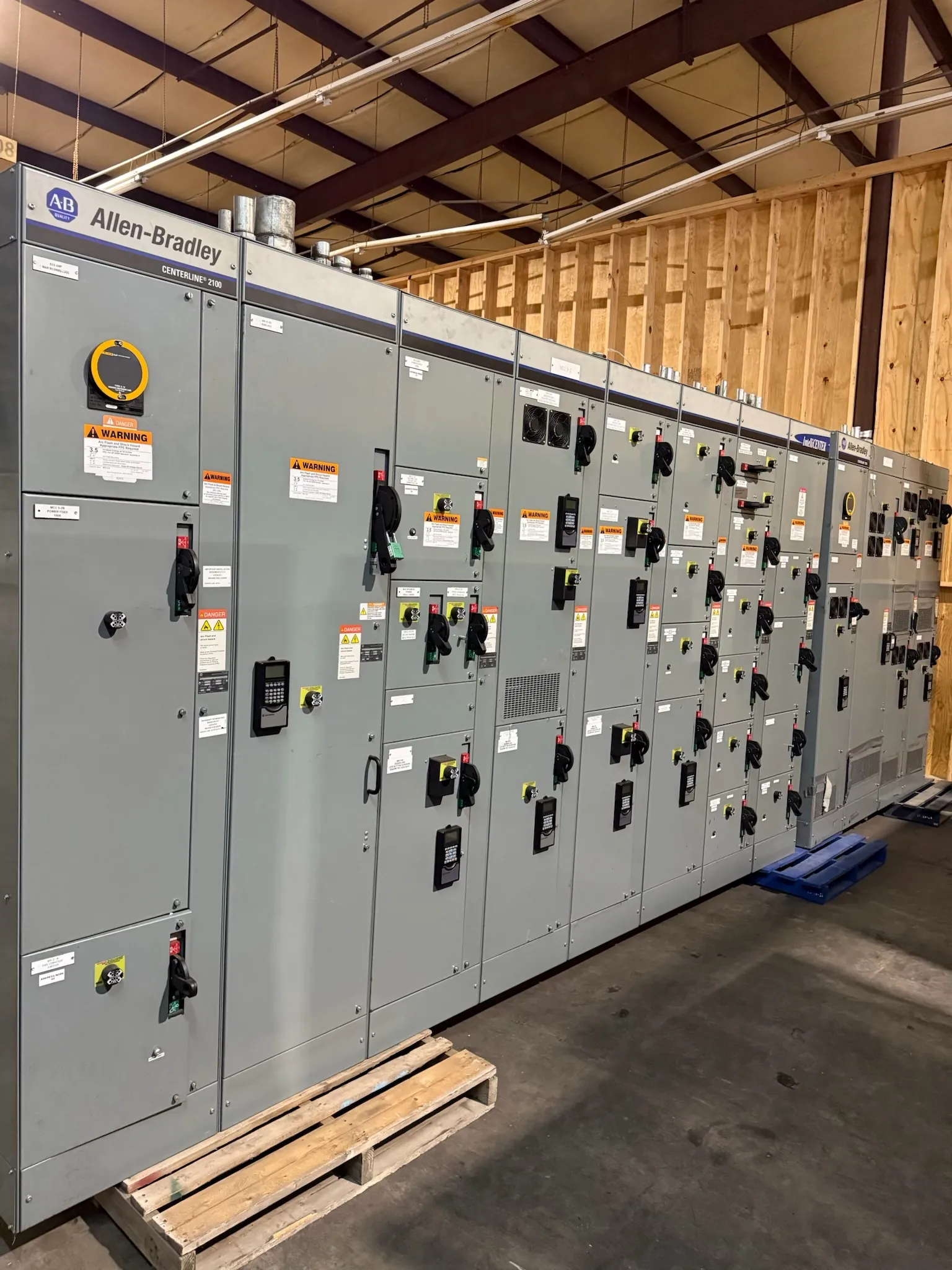
What to Send When Requesting a Switchgear Quote
A useful switchgear quote starts with enough project information to identify the equipment scope, interfaces and constraints—not simply a requested voltage or a preferred product name. For a new custom assembly serving a Nevada facility, send the latest available one-line diagram and identify what the equipment must connect to. Include known electrical data, physical requirements, schedule expectations and the delivery destination. A quotation can then be developed around a defined basis, with assumptions and open items made visible for review.
Early information does not need to be a complete, construction-ready design. If details are not yet established, mark them as preliminary or pending rather than guessing. The final configuration, ratings and compliance requirements need confirmation by qualified project engineers using the actual system information and site conditions.
One-Line Diagram, System Voltage and Load
The one-line diagram is a key starting point because it shows the intended power path and the relationship among sources, bus sections, feeders and connected equipment. Send the current revision, and note whether it is conceptual, issued for design or approved for construction. If the drawing does not show all relevant interfaces, provide supporting notes or drawings that clarify how the proposed assembly fits into the distribution system.
State the system voltage and frequency, along with the equipment’s intended function. These are system characteristics, not interchangeable with an equipment rating. Provide available load information, such as known demand, feeder requirements, load types and any planned future capacity. Motor starting, large fluctuating loads, standby sources, generator connections, or transfer arrangements may affect the design discussion. Where load data is incomplete, identify what is estimated and what remains to be determined.
Fault Duty and Protection Coordination Inputs
Include the available fault-current information at the point where the switchgear will connect, if it has been established, and identify its source and date when possible. Fault duty cannot be selected by inference from voltage or load alone. It depends on the electrical system and connection point, and may change as upstream equipment or sources change. If the value is not known, say so; the project engineer may need to obtain or verify it before the equipment basis can be finalized.
Share protection information that is available, including the intended protective devices, trip-unit preferences, upstream and downstream coordination requirements, and any written utility or engineer criteria relevant to the scope. Coordination is a system-level engineering task, not merely a choice of breaker. Device selections and settings require review against the actual installation and applicable project requirements.
Enclosure, Layout and Site Conditions
Describe the installation environment and physical constraints. Useful details include indoor or outdoor placement, available floor space, access and working clearances, cable entry direction, conduit or bus connections, and whether the assembly must align with existing equipment. Note known environmental exposures such as dust, moisture, corrosive conditions, temperature extremes or elevation requirements. These conditions can influence enclosure selection and equipment arrangement, but a final enclosure and rating require confirmation against the site and governing specifications.
Send dimensional plans, room layouts, equipment elevations or photographs when available, especially where obstructions, limited access or existing interfaces may affect the design. Identify any requirements for front or rear access, shipping sections, lifting or movement into the electrical room. A layout that fits on paper may still need review for installation and maintenance access at the actual facility.
Drawings, Specifications and Required Documentation
Provide the project specification and relevant equipment schedules, including requested lineup arrangement, feeder quantities, breaker types or functions, metering, control interfaces and communication needs. Include control schematics, panel schedules, cable schedules or interface drawings if they define work at the boundary of the switchgear package. State which requirements are mandatory and which are preferences, and flag conflicts between documents instead of choosing one silently.
Identify requested standards, listings and documentation by product scope. UL 891 applies to applicable low-voltage switchboards; it should not be assumed to cover every switchgear product or other equipment category. Any requested listing, standard, rating or configuration must be checked against the specific assembly and project requirements. Drawings, submittals and other deliverables should also be identified so the quotation can reflect the expected engineering and review process.
Schedule, Destination and Quote Confirmation
Give the target dates that matter: quotation need date, anticipated submittal review, release for manufacture, required shipment and any site receiving restrictions. These are planning inputs, not a promise of a production or delivery date. Review cycles, completeness of approved information, design changes and component requirements can affect the schedule. Share the Nevada delivery address or project location, receiving hours, unloading limitations and any carrier or access constraints. Nationwide shipment is available, but logistics depend on the shipment and destination details.
Before a quote becomes a firm equipment basis, the manufacturer and project team need to confirm scope, ratings, drawings, enclosure, interfaces, applicable requirements and schedule assumptions. List unanswered questions openly, and identify who will resolve them. Clear inputs help distinguish included work from exclusions and reduce avoidable revisions; they do not replace qualified engineering review or site-specific confirmation.