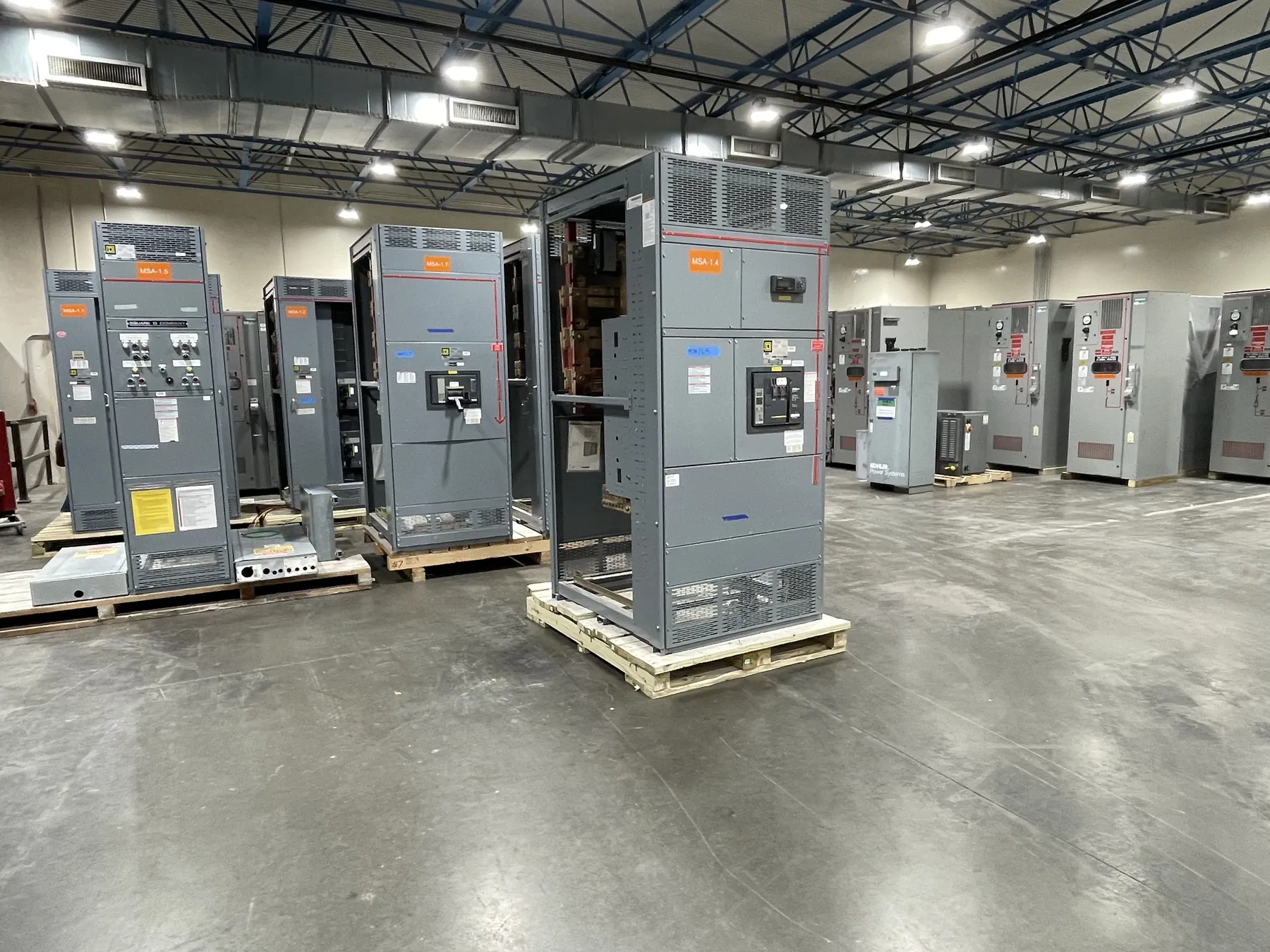
How to Compare Industrial Switchgear Companies
Industrial switchgear companies can differ substantially in what they engineer, manufacture, document and support. A useful comparison starts with the equipment’s role in your facility, not with a broad product label. Determine whether the project calls for a low-voltage switchboard, motor-control equipment, switchgear, or a combination of assemblies. Then ask each manufacturer to define its scope: which sections it will design and build, what components and protective devices are included, and which interfaces remain with your electrical contractor, engineer or other suppliers.
For a Nevada facility, procurement also involves practical site and logistics questions. Confirm the ship-to location, access for receiving and handling, indoor or outdoor installation conditions, environmental requirements and any limits on delivery coordination. Nationwide shipping can support a Nevada project, but transportation does not determine whether a design fits the site. The project team must review installation conditions and electrical requirements before equipment is specified.
Establish the Engineering Scope Before Requesting Quotes
Provide comparable information to every bidder. A one-line diagram, load schedule, available fault-current information, system grounding details, equipment location and project specifications help manufacturers evaluate the same design basis. Identify the incoming source, feeder arrangement, downstream equipment, required metering, control interfaces and any future provisions. If the design is not complete, state which items remain preliminary and who is responsible for resolving them.
Clarify the boundary between manufacturer engineering and project engineering. Ask whether the manufacturer will prepare equipment drawings and submittals, incorporate specified devices, coordinate section dimensions and connection points, and respond to review comments. Those tasks do not replace the engineer of record’s responsibility for the facility design. Changes to the source, loads or protective-device selections can affect equipment configuration and coordination, so establish how revisions will be reviewed and reflected in the quote.
Compare Ratings, Listings and Motor-Load Requirements
Do not treat a voltage class, ampere rating or short-circuit rating as a complete description of suitability. Ratings describe particular equipment characteristics; they are not interchangeable with the facility’s nominal system voltage. Check that each proposal identifies the applicable voltage, continuous-current and short-circuit ratings, as well as the configuration and conditions under which those ratings apply. Confirm that the proposed ratings align with the project documents and available system information.
For low-voltage switchboards, UL 891 may be relevant to the specified product and application. It should not be taken to cover every type of switchgear, medium- or high-voltage equipment, busway or all assemblies from a manufacturer. Request product-specific listing information and documentation for the exact proposed equipment rather than relying on a general statement about a company’s capabilities.
Motor loads deserve their own review. The motor schedule, starting method, operating duty, control scheme and any special starting or coordination requirements can influence feeder and protective-device selection. Ask bidders to identify assumptions about motor circuits, overload and short-circuit protection, control power and interfaces with motor-control equipment. Final selections require qualified engineering review of the actual system and project conditions.
Ask What Acceptance Tests and Records Are Included
“Tested” can mean different things in different proposals. Ask the manufacturer to list the factory inspections and tests included for the quoted assembly, explain the records supplied, and identify any tests or witness points that are optional or outside the base scope. Compare those commitments with the project specification and the commissioning plan. Factory checks of an assembly do not establish that the complete installed electrical system has been commissioned or that it will perform under every site condition.
Review the submittal package as part of the technical comparison. Drawings, device schedules, nameplate and rating information, wiring details and test documentation can help the project team verify what is being furnished. Confirm the expected review process and how approved changes will be captured. Missing or unclear records can create avoidable questions during installation, inspection and turnover.
Evaluate Lead Time, Change Control and Service Boundaries
Request a current, project-specific lead-time estimate and ask what event starts the schedule, such as receipt of approved drawings or release of production information. Lead time can depend on final design, component selection, approvals and changes; it should not be assumed from a general marketing statement. A U.S. manufacturer that builds with all-American components and ships nationwide may be relevant to sourcing preferences, but the quote should still state its own schedule assumptions and shipping scope.
Define service boundaries in writing. Ask who handles drawing questions, factory coordination, shipping arrangements, installation support and post-delivery technical inquiries. Confirm what is included in the commercial proposal and what must be arranged through the electrical contractor or another project participant. This helps distinguish equipment supply from field labor, system studies, installation and commissioning.
Build a Comparable Procurement Decision
When proposals arrive, compare scope, ratings, assumptions, documentation, schedule basis and exclusions side by side—not just the quoted price. A lower initial figure may omit specified devices, project drawings, testing records or coordination tasks. Ask each company to resolve deviations in writing and have the responsible electrical engineer review technical exceptions, ratings and protective-device coordination against site data. The strongest procurement decision is one that makes the equipment boundary clear, ties the offer to the project’s documented requirements and identifies open engineering questions before release.