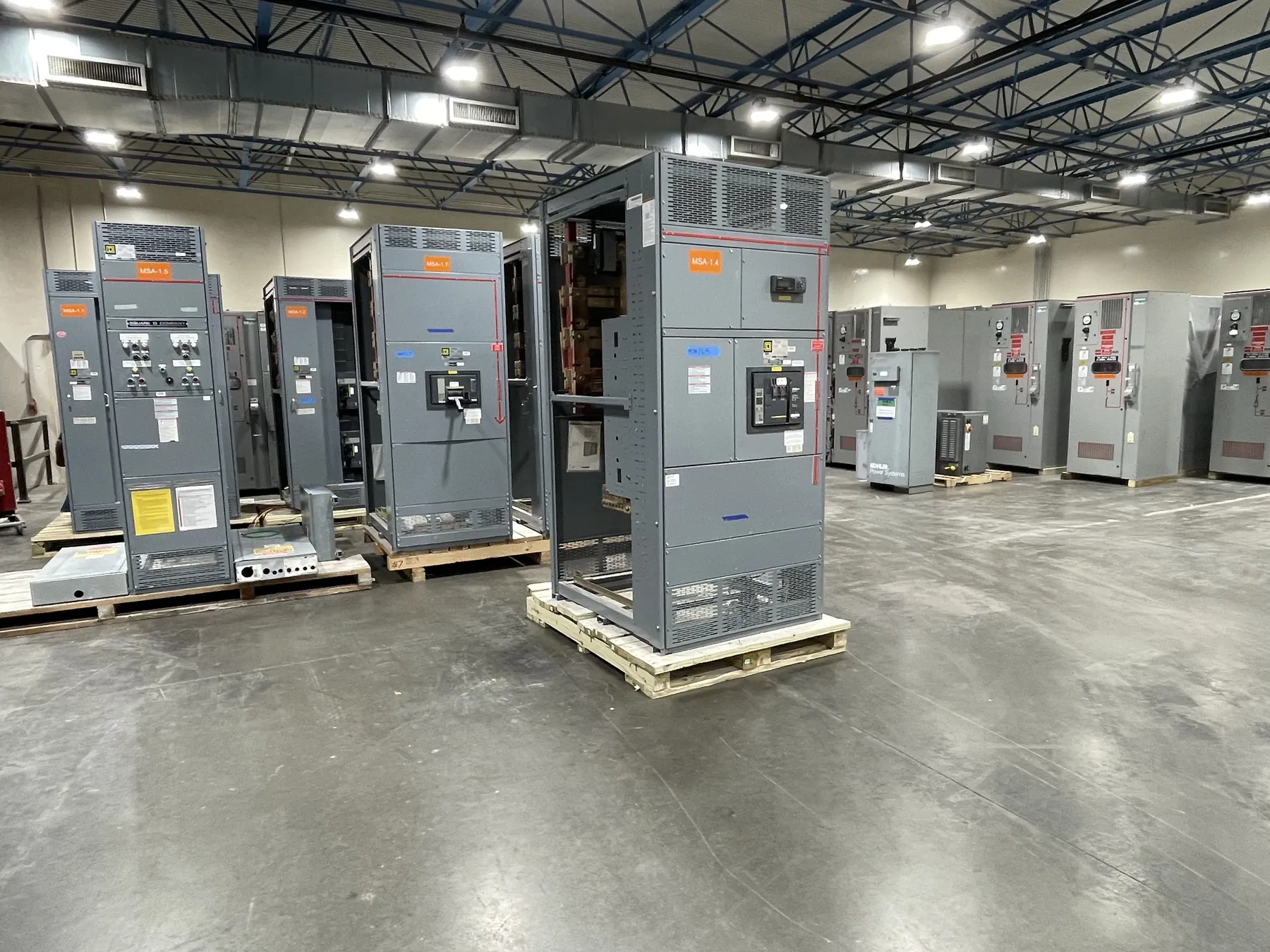
27 kV Class Switchgear: Start With the System
For a 27 kV Class distribution project, the class label is a starting point—not proof that a particular assembly suits the installation. Specify the system’s nominal and highest operating voltage, grounding arrangement, frequency, and anticipated operating conditions. Then compare those facts with the proposed equipment’s maximum voltage rating and insulation capability. Those values describe related but distinct properties. A qualified electrical engineer should verify that the equipment is appropriate for the actual system and applicable project requirements.
Voltage class terminology can vary across specifications and equipment families. A drawing or procurement schedule that says “27 kV” may not fully define the required insulation levels, construction, or interfaces. Confirm the terminology used by the owner, engineer, utility, and equipment manufacturer before comparing proposals. The appropriate design depends on the complete electrical system and installation—not a class designation in isolation.
Separate Voltage, Insulation, and Fault-Duty Requirements
Equipment maximum voltage establishes the upper system-voltage limit for which the equipment is designed. Insulation requirements address how the equipment is expected to withstand electrical stresses. Fault-duty ratings concern performance under specified short-circuit conditions. These are separate checks: satisfying one does not establish suitability for the others. Request the proposed equipment ratings and the assumptions behind them, then have the project engineer compare them with the system study and project documents.
Fault duty depends on the source and configuration of the system, including available fault current and how sources may operate together. Protection-device interrupting and withstand capabilities, switchgear ratings, and upstream and downstream equipment must be considered as a coordinated set. Changes such as added generation, transformers, or alternate operating configurations can affect the analysis. Final selection requires engineering review using accurate system information.
Choose Construction Around the Installation
Once electrical requirements are established, consider how the assembly will be installed and maintained. Indoor or outdoor exposure, ambient conditions, elevation, contamination, available floor space, access routes, cable entry, and working clearances can influence enclosure and layout choices. Nevada projects may involve facilities with varied site conditions, but those conditions should be documented for the actual location rather than assumed from the state alone.
Specify incoming and outgoing cable arrangements, termination preferences, bus connections, grounding provisions, and the direction of access. Confirm how the switchgear will interface with transformers, protective relays, metering, control power, and other distribution equipment. These interfaces can affect compartment arrangement, connection details, and the information needed from other suppliers. Early coordination helps identify conflicts before fabrication drawings are finalized.
Coordinate Protection, Controls, and Interfaces
A switchgear lineup is part of a distribution system, not a stand-alone rating. Protection settings and device selection should be coordinated with the system study, connected equipment, and upstream and downstream protective devices. The engineer should review selectivity, fault-clearing requirements, and the effects of normal and alternate configurations. Control schemes, interlocking requirements, metering, communications, and remote indications also need to match the project’s operating and control philosophy.
Provide the intended one-line diagram and identify which devices, relays, instruments, and control features are included in the equipment scope. Clarify responsibility for settings, programming, field connections, and interface verification. Do not infer that a feature, listing, or utility acceptance is included unless it is explicitly confirmed for the proposed configuration. UL 891 applies to applicable low-voltage switchboards; it should not be treated as a general standard for 27 kV Class equipment.
Prepare a Useful 27 kV Class Quotation Package
A focused request for quotation reduces uncertainty about what is being designed and supplied. Include the system voltage information, grounding method, one-line diagram, available fault-duty study, operating configurations, site conditions, and required equipment ratings. Add lineup dimensions or space constraints, cable and bus interface details, protection and control requirements, metering needs, and applicable project specifications. Identify any owner or utility requirements, while recognizing that their applicability and acceptance must be confirmed for the project.
Ask the manufacturer to identify assumptions, exclusions, proposed ratings, and information still needed for engineering. Review deviations against the project documents rather than relying on a general description such as “27 kV rated.” Listings and standards claims require confirmation for the specific product and configuration. Final drawings, ratings, and design details should be reviewed by qualified engineers before release for manufacture.
U.S. Manufacturing and Nevada Project Logistics
We manufacture new custom power-distribution equipment in the United States using all-American components and ship nationwide, including to Nevada. Project logistics depend on the finished lineup’s configuration, shipping dimensions, delivery access, unloading arrangements, and the site’s receiving schedule. Share those constraints early so the proposed design and shipment plan can be reviewed together; no delivery timing should be assumed until project details are confirmed.
For a 27 kV Class application, the most useful next step is a coordinated review of system voltage, equipment maximum voltage, insulation requirements, fault duty, and physical interfaces. That review gives the manufacturer and project team a sound basis for a configuration-specific proposal without treating a class label as a substitute for engineering.