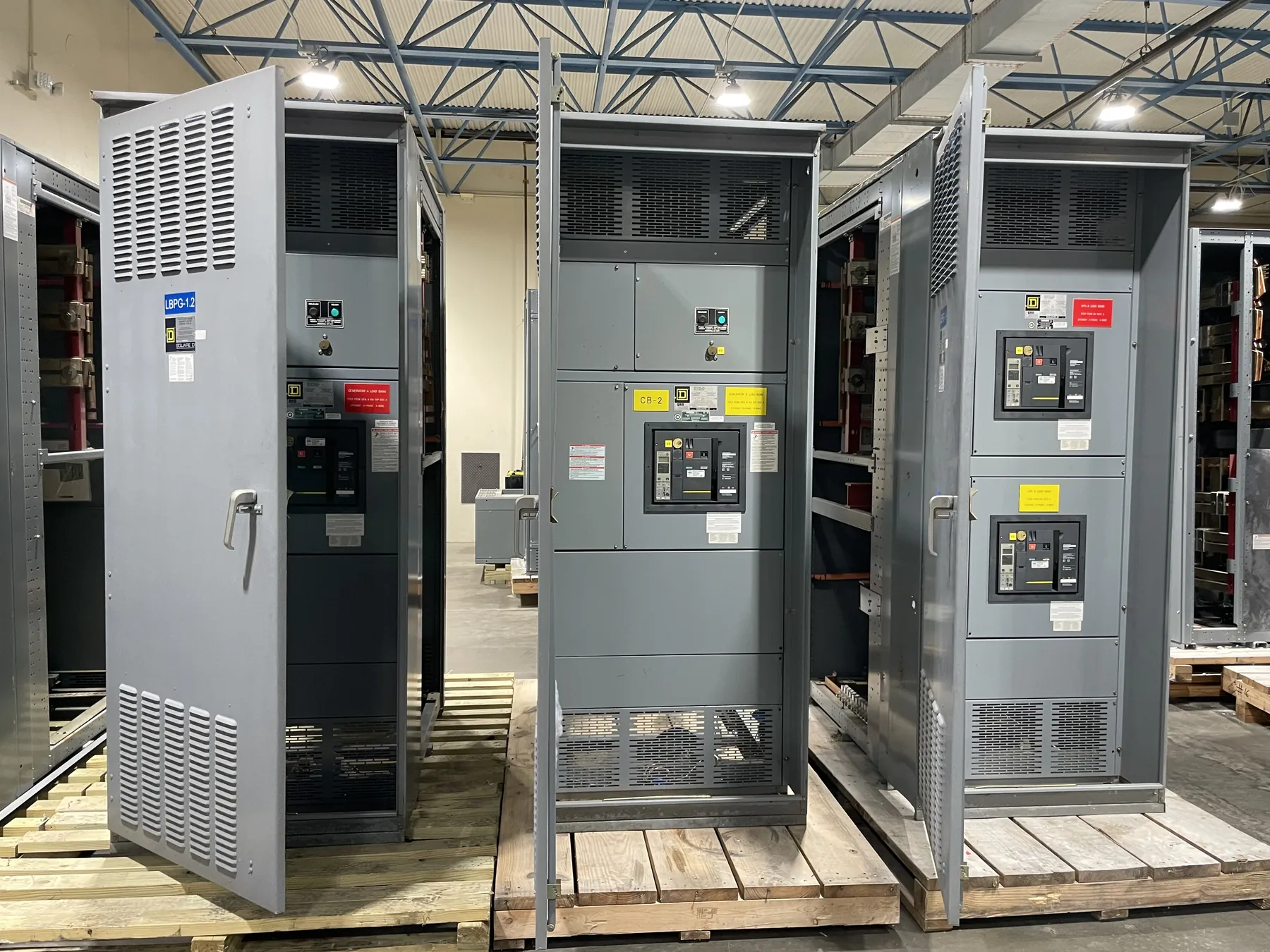
Begin With an Agreed Manufacturing Scope
Delivering a new distribution assembly starts by defining what the equipment must do and where it will be installed. A project review brings together the one-line diagram, equipment schedules, voltage, current ratings, available fault current, enclosure conditions and requested delivery location. Identify open information explicitly so it can be confirmed before the design is released.
We manufacture new equipment in the United States using all-American components for projects in Nevada. The scope should distinguish equipment manufacturing and factory activities from field installation and commissioning. A qualified electrical engineer remains responsible for reviewing the system design, including protection, site conditions and coordination with the utility where required.
Turn Requirements Into Reviewable Drawings
Submittal documents translate the project requirements into a proposed physical and electrical arrangement. Depending on scope, they may include a one-line, front elevations, section dimensions, device schedules, wiring details, ratings and cable termination information. The project team should compare each document with the specification and resolve discrepancies before approval.
Check the intended source and feeder connections, metering and controls, neutral and grounding arrangements, and any provisions for expansion. Drawings should also show relevant interfaces to equipment provided by others. If the engineer revises the system or the installer discovers an access constraint, communicate the change and review its effect on the assembly and schedule.
Plan Fabrication, Assembly and Quality Checks
Once the design and order scope are approved, manufacturing planning addresses enclosure metalwork, bus preparation, device placement, internal wiring, labeling and other project-specific features. The sequence and methods depend on the equipment construction and documented requirements. Component instructions and the approved drawings guide assembly details rather than an assumed generic configuration.
An inspection plan should identify the checks and records expected for the order. Confirm what will be reviewed for mechanical fit, wiring identification and electrical connections, and how nonconformances will be handled. If a special test or witness is required, agree on its scope and acceptance criteria before work reaches that stage.
Separate Factory Acceptance From Product Evaluation
Routine factory checks on a completed assembly are not the same as design or type tests used to evaluate a construction. The project can specify additional acceptance tests and reports where appropriate. Request a clear test list, responsibilities and documentation, and have the engineer decide whether those items satisfy the project specification.
Standards and listings should also be checked against the exact equipment. A statement that a product standard applies is not proof of a listing. Where a listed assembly is specified, request evidence for the proposed manufacturer, configuration and ratings. Any required field inspection or authority approval is separate from factory documentation.
Coordinate Shipping and Nevada Site Receiving
The delivery plan should account for the destination, access restrictions, unloading equipment, allowable section dimensions and weights, and the route from the receiving point to the installation location. Large lineups may require shipping splits, with field reassembly performed in accordance with the equipment instructions. Confirm who supplies lifting and handling resources.
Identify storage conditions if the equipment cannot be installed immediately, and assign responsibility for checking shipment condition and reporting damage. A requested delivery date should be reviewed against approved drawings, component requirements, production and freight planning. No particular lead time or arrival date should be assumed without an agreed project schedule.
Hand Off Documents for Installation and Commissioning
Provide the installer and commissioning team with the final applicable drawings, equipment instructions, test records and identified shipping-split connections. Confirm responsibilities for foundations, conduit, cables, field wiring, grounding and protective-device settings. The project team should also coordinate utility interfaces, permits and inspections as required for the location. Keep the revision history accessible so the field crew can distinguish approved installation documents from superseded drawings and preliminary assumptions.
Before energization, qualified personnel should complete the prescribed field inspections and tests, verify connections and settings, and resolve outstanding deficiencies. Acceptance depends on the approved design and applicable requirements, not on delivery alone. A documented handoff makes the boundary between manufacturer and field responsibilities clear throughout the project.