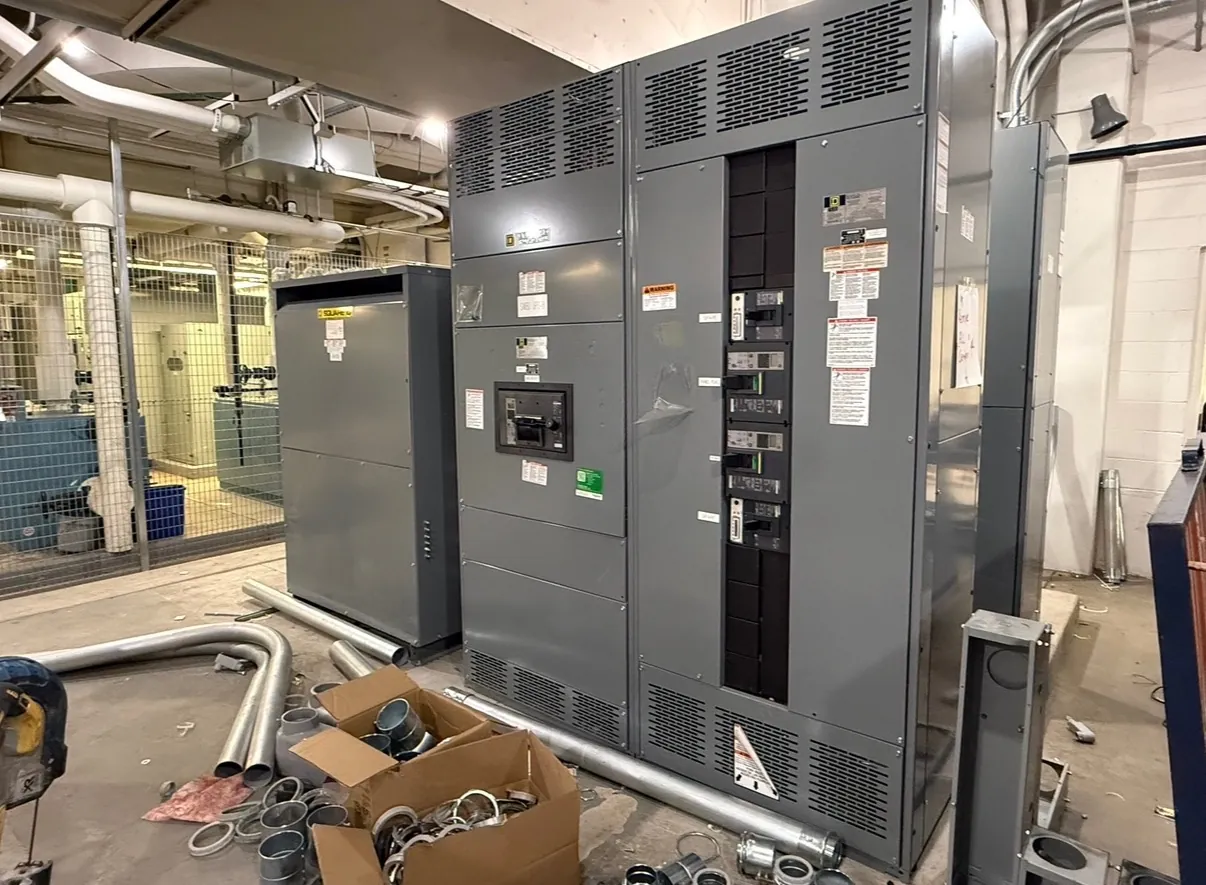
Choose a Modernization Path From Evidence
Modernizing electrical distribution can mean replacing an entire lineup with new equipment, adding new controls to retained equipment, or fitting compatible new breakers into existing compartments. These paths do not solve the same problems. A sound plan for a Nevada facility begins with the equipment's condition, the electrical system's present duty and the operational consequences of an outage.
Gather nameplates, one-lines, maintenance records, inspection findings and known parts constraints. Have qualified personnel verify the as-installed arrangement and identify undocumented changes. If reliable information is missing, allow for a survey before selecting an approach. The objective is a supportable design and maintenance plan, not simply a newer appearance.
Compare Replacement With Retained Construction
A complete new lineup can be appropriate when aging bus, damaged enclosures, insufficient fault capability or an altered load profile makes retaining the existing assembly difficult to justify. It also permits a fresh layout for feeders, metering and future capacity. The tradeoff is a potentially broader installation scope involving foundations, cable lengths, interconnections and a planned interruption of service.
Retaining some construction may reduce the extent of field changes, but only if the retained components are in suitable condition and the interfaces can be verified. A control upgrade cannot repair a deficient bus system, and a new breaker alone does not resolve every enclosure or insulation concern. Compare the entire scope and its dependencies before deciding.
Evaluate Controls and Breaker Retrofits
New relays, metering or communication equipment can improve the information available to operators when the underlying assembly remains suitable. Define instrument transformer inputs, control power, network interfaces, alarms, cybersecurity responsibilities and required operating sequences. Confirm whether existing sensors and wiring are compatible; otherwise, the control scope may include additional new devices and field modifications.
A breaker retrofit requires a separate evaluation of the compartment, primary connections, secondary contacts, interlocks and operating mechanism. Check the new device's continuous current and interrupting capabilities against the application, then assess the retained assembly as a whole. Availability of a physically similar breaker is not evidence that the modification is safe, listed or properly rated.
Update System Studies and Ratings
Changes to utility supply, generation, transformers or downstream loads can make old assumptions obsolete. The project engineer should verify system voltage, normal and alternate operating modes, load demand and available short-circuit current. An updated coordination study can establish device settings and reveal conflicts among existing and proposed protective devices. Arc-flash analysis and labeling should be reviewed where required by the applicable rules and site program.
Document the resulting ratings and the evidence supporting any modified assembly. The effect of field changes on existing listings or markings should be reviewed with the appropriate listing organization or field evaluation body and the authority having jurisdiction when relevant. Product standards apply according to equipment type; they should not be assumed interchangeable across voltage classes.
Weigh Maintenance and Outage Constraints
Compare the support available for retained parts with the maintenance requirements of the proposed new equipment. Consider replacement components, access to trip units and controls, inspection intervals, spare parts and the skill needed to service each arrangement. A modernization scope should identify what remains in place and what equipment is newly manufactured, so future responsibilities are not blurred.
Develop a sequence with the facility operator and qualified contractor. Identify affected loads, temporary power needs, safe isolation, installation boundaries and testing before return to service. Where phased work is necessary, check that each interim configuration has appropriate protection and documented operating instructions. Outage duration depends on the site and scope rather than a generic promise.
Define the Manufacturing and Delivery Package
For a new-build solution, provide the U.S. manufacturer serving Nevada with the one-line, required ratings, equipment dimensions, site conditions and desired interfaces. If a retrofit or control package is being considered, add verified existing-equipment measurements and photographs. State any all-American component requirement and the origin evidence needed for the specified parts; manufacturing location alone is not sufficient proof.
Define the required drawings, included devices, shop checks, shipping splits and field support as well as the equipment itself. The approved package should assign commissioning, setting changes, inspection and energization to qualified parties. Delivery access and the installation sequence should be coordinated before the manufacturing design is finalized.