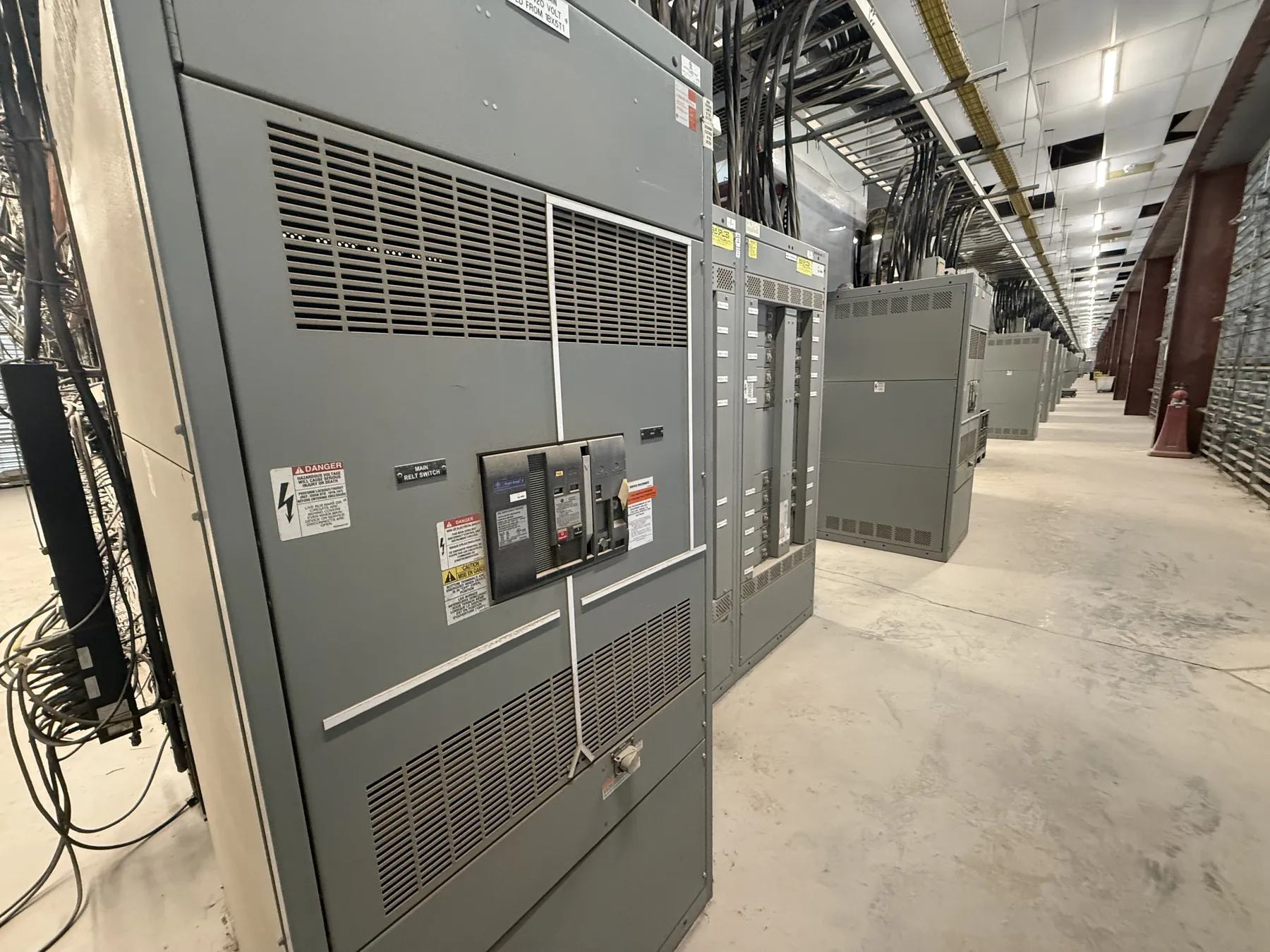
Airport Switchgear Planning for Winnemucca Facilities
Airport electrical distribution has to support more than a single building load. A project may involve terminal areas, maintenance spaces, communications and operational systems, exterior lighting, or other airport functions, each with different continuity and expansion needs. For a Winnemucca airport project, begin by identifying which loads are served by each distribution section and which must remain available during planned work or a source transfer. The equipment arrangement should follow the facility’s documented electrical design, not assumptions about what an airport needs. A qualified electrical engineer and site team should confirm the loads, system conditions, and applicable requirements before equipment is specified.
Separate Critical Loads and Emergency-Source Interfaces
Load classification helps determine how switchgear connects to normal and emergency sources. Project documents should identify the incoming sources, the distribution boundaries, and any required transfer or interlocking functions. The design team can then establish which loads belong on each source and how the intended arrangement accommodates maintenance and future changes. Emergency generators, alternate utility feeds, transfer equipment, and downstream distribution may each be part of the broader system, but their presence and configuration must be confirmed for the particular site. Switchgear should be quoted against the approved one-line diagram and interface requirements; a product description alone cannot establish compatibility with an existing source or control scheme.
Coordinate Phased Outages with Airport Operations
Replacing or expanding distribution equipment may require work to be divided into phases so the facility can coordinate electrical outages with airport operations. Early planning should identify the equipment being replaced, temporary or interim arrangements shown in the project design, required outage windows, and the parties responsible for approving each phase. The switchgear manufacturer needs clear information about the final arrangement and any constraints that affect section order, connections, or installation sequencing. Decisions about energized work, switching, and safe work methods belong to qualified site personnel under the project’s procedures. A phased schedule should be reviewed by the owner, engineer, contractor, and relevant airport operations representatives before it drives manufacturing dates.
Confirm Ratings, Construction, and Applicable Listings
Quotation documents should specify the system voltage, required equipment ratings, fault-duty basis, enclosure and environmental conditions, and other design criteria established by the project engineer. A rating is not the same as system voltage, and neither should be inferred from a general description of the facility. Available space, cable entry, bus arrangement, metering, protective devices, and control interfaces also affect the assembly. UL 891 applies to applicable low-voltage switchboards; it should not be treated as a blanket listing for every switchgear assembly or for medium- or high-voltage equipment. Confirm the required listing, product scope, ratings, and project details during engineering review rather than assuming a specification is covered.
Plan Winnemucca Receiving and Section Delivery
Airport sites can have controlled access, designated delivery routes, limited staging areas, and rules for coordinating vehicles with facility activity. Conditions vary by location, so the project team should verify gate procedures, receiving hours, unloading responsibility, equipment access, and the path from delivery point to the electrical room. Switchgear section dimensions and shipping splits should be reviewed against doorways, corridors, turning space, lifting provisions, and the final installation sequence. These checks matter before the arrangement is released for manufacture: a section that fits the electrical design must also be practical to receive and move into position. Coordinate shipping limits with the installer’s schedule and site logistics plan.
Prepare a Complete Project Package for Quotation
Useful quotation inputs include the latest one-line diagram, equipment schedules, applicable specifications, required ratings and listings, source and load interfaces, control requirements, environmental conditions, and relevant room or access drawings. Include known outage phasing, section shipping constraints, receiving arrangements, and the target installation sequence so these factors can be considered together. Missing or changing information can affect engineering review and the manufacturing schedule; confirm assumptions and open items with the project team rather than relying on an unverified lead-time promise. The manufacturer produces new custom power-distribution equipment using all-American components, builds in the USA, supports short lead times, and ships nationwide, including to Nevada. Final configuration, schedule, and shipment details depend on confirmed project requirements.