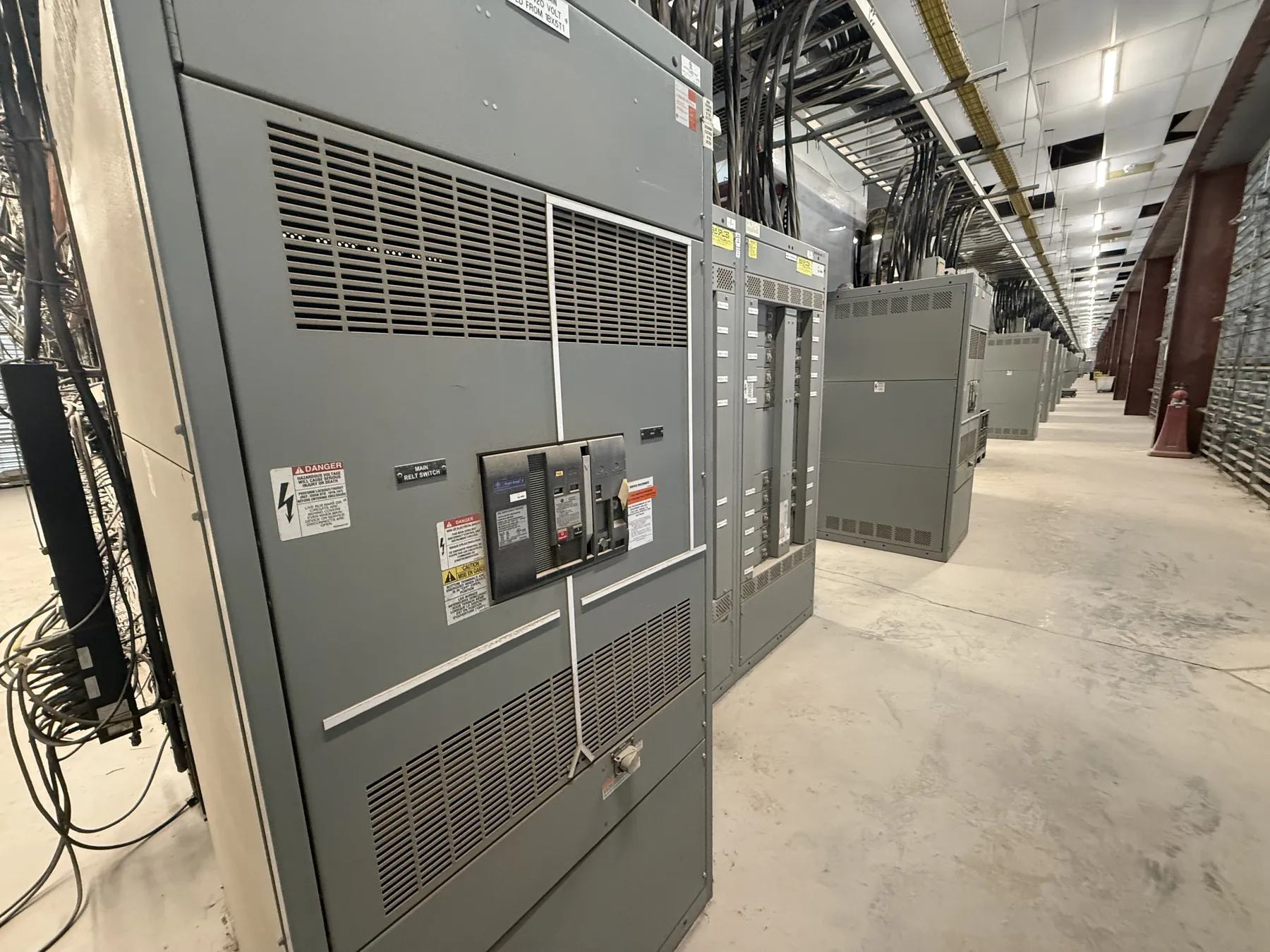
Pad-Mounted Switchgear for Sparks Projects
Pad-mounted switchgear provides an outdoor switching and protection interface for underground distribution. For a Sparks project, its enclosure, mounting foundation, cable arrangement, utility interface and electrical ratings must be developed together. A unit that fits the site physically may still be unsuitable if its configuration does not match the available source, connected loads or project requirements. Our company manufactures new custom power-distribution equipment in the United States and sells manufactured equipment to customers. Project details are reviewed before a configuration is defined.
Early planning should identify whether the equipment serves a utility-facing connection, a customer-owned distribution system or another defined point in the project. Those arrangements can impose different interface, access and documentation requirements. The serving utility’s requirements must be confirmed directly for the particular connection; they should not be assumed from the city or from another installation.
Outdoor Enclosure and Site Conditions — Pad-Mounted Switchgear in Sparks, NV
The enclosure protects switching components and cable terminations from outdoor exposure, but the appropriate construction depends on the installation environment. Review expected precipitation, temperature exposure, sunlight, dust, irrigation spray, drainage and possible contact with landscaping or site equipment. Also consider how doors, operating features and cable compartments will be accessed without obstruction. Enclosure details and any environmental rating require confirmation against the actual site conditions and product design.
In Sparks, site logistics may include coordinating equipment delivery with construction access, staging space and the sequence of foundation and cable work. These are project-planning considerations, not assumptions about a particular property. The site team should verify the route from the delivery point to the final location, available working clearance, and any constraints from paving, fencing or other infrastructure before dimensions and access arrangements are finalized.
Foundation, Placement and Cable Entry
A pad-mounted unit needs a foundation suited to its weight, footprint, anchorage and installation details. Foundation design and placement should be coordinated with civil and structural professionals using the equipment drawings and site information. Elevation, drainage, conduit stub-ups and clearances matter: an otherwise suitable enclosure can be difficult to install or maintain if conduits enter in the wrong locations or the pad interferes with doors and cable compartments.
Specify the intended cable-entry direction and the source and load routing early. The number, size and arrangement of cables, conduit locations, termination types and available bending space affect the compartment layout. Confirm whether cables enter from below, how phases and circuits are assigned, and which side must remain accessible. Final cable and termination compatibility depends on the selected equipment and the cable information supplied by the project team; it should not be inferred from a general product description.
Utility Interface and Protection Coordination
For a Sparks project, obtain the available fault current at the actual connection point and provide it for engineering review. The connection location and source characteristics can affect equipment requirements, so a citywide assumption is not a substitute for project-specific data. Identify the serving utility, ownership boundaries, service arrangement and any utility interface requirements that apply. Utility acceptance or approval must be confirmed for the specific project and is not implied by a custom equipment description.
Coordinate protective devices with downstream loads and the broader distribution design. Relevant inputs can include the one-line diagram, load information, source data, device types and intended operating arrangement. Qualified electrical engineers must evaluate protection and system behavior using the site conditions and applicable project requirements. Ratings describe equipment limits or capabilities under defined conditions; they are not the same as system voltage, and neither should be selected from a product name alone.
Project-Specific Ratings and Configuration
Voltage, continuous-current, short-circuit and switching requirements are distinct design considerations. The needed values and applicable ratings depend on the system and the equipment configuration. Provide the nominal system voltage, available fault-current information, load and circuit details, and any specified device or interface requirements. Ratings, listings and configuration details require confirmation for the proposed assembly. UL 891 concerns applicable low-voltage switchboards; it should not be treated as a blanket standard for pad-mounted switchgear or as evidence that a particular unit is listed.
Custom design also requires agreement on compartments, switching functions, cable provisions, enclosure dimensions and project documentation. If the project specifies standards, utility documents or drawing formats, include those requirements with the request so they can be reviewed rather than assumed.
Information for a Sparks Project Quotation
A useful quotation package includes the project location, one-line diagram, site layout, foundation concept, cable schedule or available cable data, source and load information, available fault current at the connection point, and applicable utility requirements. Identify access constraints, desired cable-entry directions and any schedule milestones that affect coordination. Complete inputs help clarify scope and support a configuration review; they do not replace engineering approval or confirmation of final ratings.
We manufacture new custom equipment using all-American components, build in the USA and ship nationwide, including to Nevada. Short lead times are supported, while the schedule for a specific order depends on confirmed scope, design coordination and project requirements. For a Sparks installation, align civil work, utility coordination, cable routing and equipment documentation early so the pad-mounted assembly can be evaluated as part of the complete distribution system.