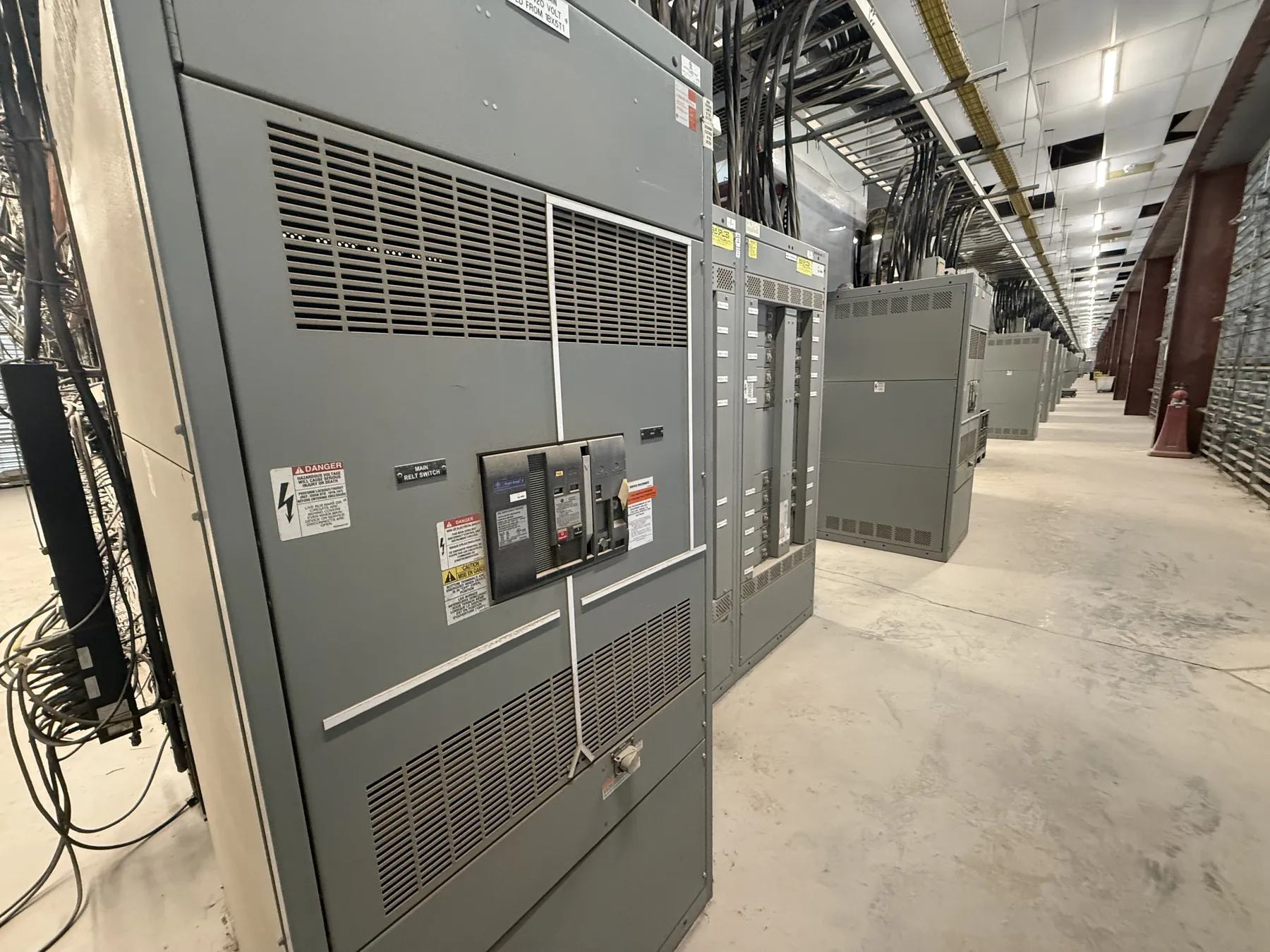
Power Plant Switchgear for Fernley, Nevada Projects
Power-generation facilities need distribution equipment that fits the way their sources, loads and operating modes work together. For a Fernley project, switchgear planning begins with the electrical one-line and the roles of each generator, utility connection, bus section and downstream feeder. A custom assembly should be developed around those defined interfaces, not selected from a generic description of “plant switchgear.” Our U.S.-manufactured equipment is built with all-American components and ships nationwide, including to Nevada. Project-specific design, ratings and applicable listings must be confirmed by qualified engineers against the installation and governing requirements.
Generator Connections, Protection and Synchronization Interfaces
Generator connection requirements depend on the source characteristics and the plant’s intended operating sequence. Engineering documents should identify generator terminals, breaker arrangements, bus configuration, control and metering interfaces, and the protection functions assigned to each part of the system. Synchronization is a system-level function: the generator controls, protective relays, breakers and operating procedures must be coordinated. Switchgear can provide specified connection and control interfaces, but its configuration alone does not establish that a generator can synchronize or operate in parallel. Confirm responsibility boundaries with the plant designer, generator supplier and controls integrator before quotation.
Protection decisions also depend on available fault current, grounding method, generator data, transformer characteristics and the utility or other source contribution. These inputs influence device selection and coordination with upstream and downstream protective equipment. The equipment rating is not the same thing as system voltage, and neither should be inferred from a general project description. The engineer of record should establish the required voltage and ratings, protection approach, and any applicable listing requirements for the actual assembly.
Backfeed, Multiple Sources and Operating Modes
Where generators and another source can connect to common distribution, backfeed conditions deserve explicit review. Identify every possible source, the normal and alternate paths, and whether sources may operate independently, in parallel or only under controlled transfer. Breaker interlocking, transfer logic, protective functions and control interfaces should reflect the approved operating philosophy. A one-line showing normal service alone may not reveal all energized paths or maintenance configurations, so provide relevant alternate-mode diagrams and sequence descriptions.
Operating modes can change the assumptions used for protection and coordination. A plant might need different arrangements for startup, normal generation, standby service, maintenance or loss of a source; the actual modes must come from the project team. Engineers should evaluate the consequences of each permitted arrangement, including source availability and load transfer limits. Avoid relying on switchgear controls to resolve an undefined operating sequence.
Auxiliary Loads, Spare Feeders and Reliability Needs
Plant auxiliaries can include pumps, fans, compressors, controls and other loads essential to generation or shutdown. Their starting characteristics, duty, criticality and supply source affect feeder selection and protection coordination. Separate critical loads from general distribution where the system design calls for it, and identify any required redundancy or transfer arrangement. The equipment manufacturer needs the load schedule and feeder requirements; the project engineer determines the appropriate architecture and confirms that the complete system meets reliability objectives.
Spare feeder requirements should be stated at the outset, including intended future use where known. A spare space is not automatically a complete, ready-to-energize circuit: the required breaker or other device, bus capacity, connection provisions and future load assumptions need definition. Adding spare positions can affect enclosure layout and assembly configuration, so clarify whether the request is for physical space, installed components or a specified combination.
Fernley Site Conditions and Installation Coordination
For a Fernley installation, confirm the switchgear room or outdoor location, access route, enclosure arrangement, environmental exposure and available space before finalizing the design. Site conditions may affect enclosure selection, cable entry, working clearances, equipment handling and installation sequencing. These details should be checked by the project’s electrical and construction teams; location alone does not determine a suitable enclosure or rating. Coordinate delivery planning with site access and the construction schedule without assuming a particular transit time or installation date.
Also establish the boundaries between switchgear, generators, transformers, utility service equipment, control systems and field wiring. Clear interface drawings help prevent omissions and late changes, especially where equipment arrives in sections or connects to existing distribution.
Information for a Fernley Power Plant Quotation
A useful quotation package includes the project one-line, source and generator data, load schedule, operating-mode descriptions, fault-current and coordination information, specified ratings, enclosure and installation conditions, and feeder schedule. Include control and metering requirements, incoming and outgoing cable details, spare feeder expectations, applicable project specifications and any required submittal documents. Identify who provides relays, controls and associated programming, and who approves protection settings and sequences.
With those inputs, the proposed custom switchgear can be scoped against the project’s actual interfaces rather than assumptions. Lead time depends on the finalized design, component requirements and project schedule, so it should be confirmed during quotation. For a Fernley power plant, early coordination among the owner, engineer, generator supplier and installation team is the practical way to align equipment configuration with the intended sources, loads and modes of operation.